Institute: Peoples' Friendship University of Russia
Course: 4
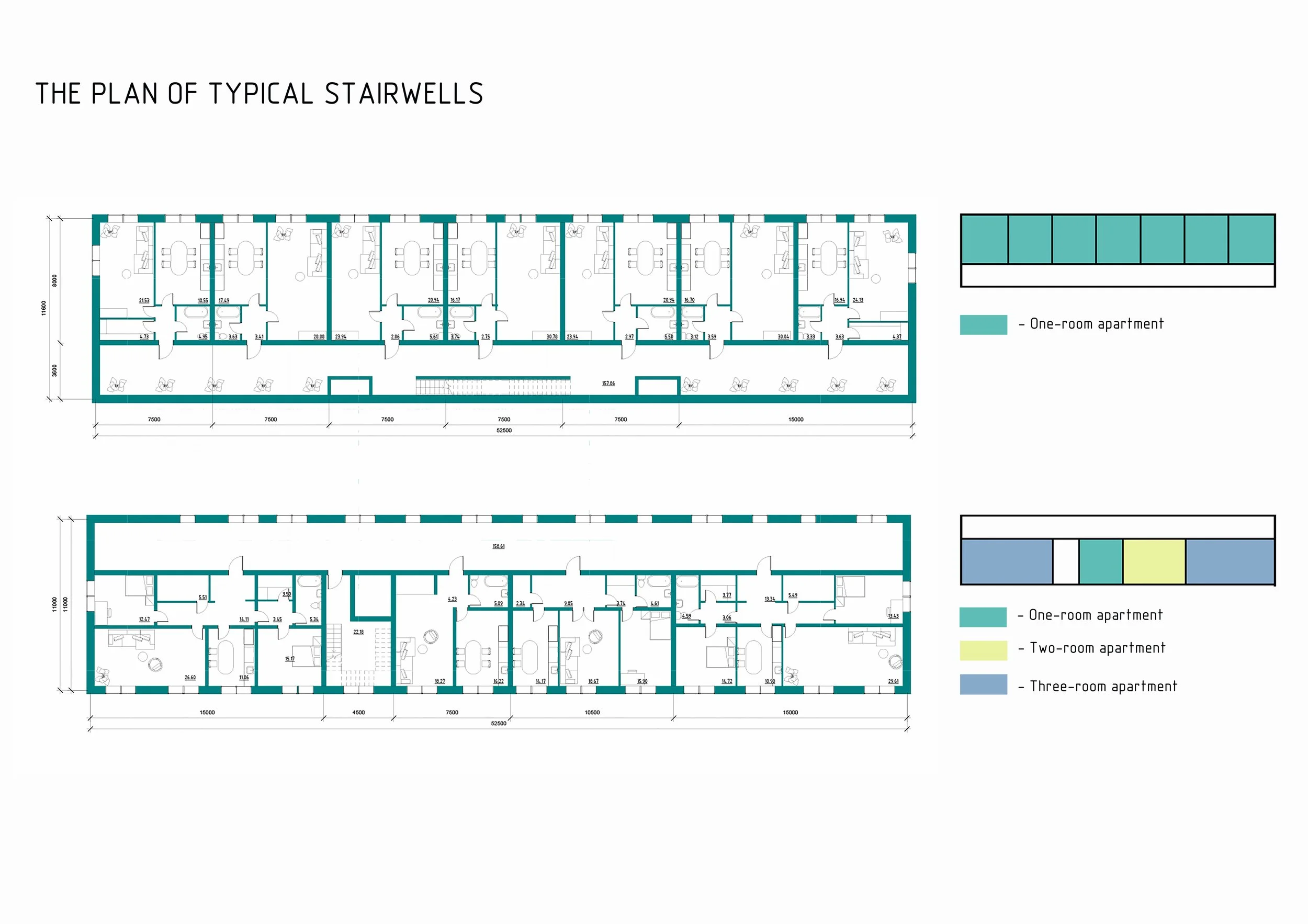
Theme: residential complex
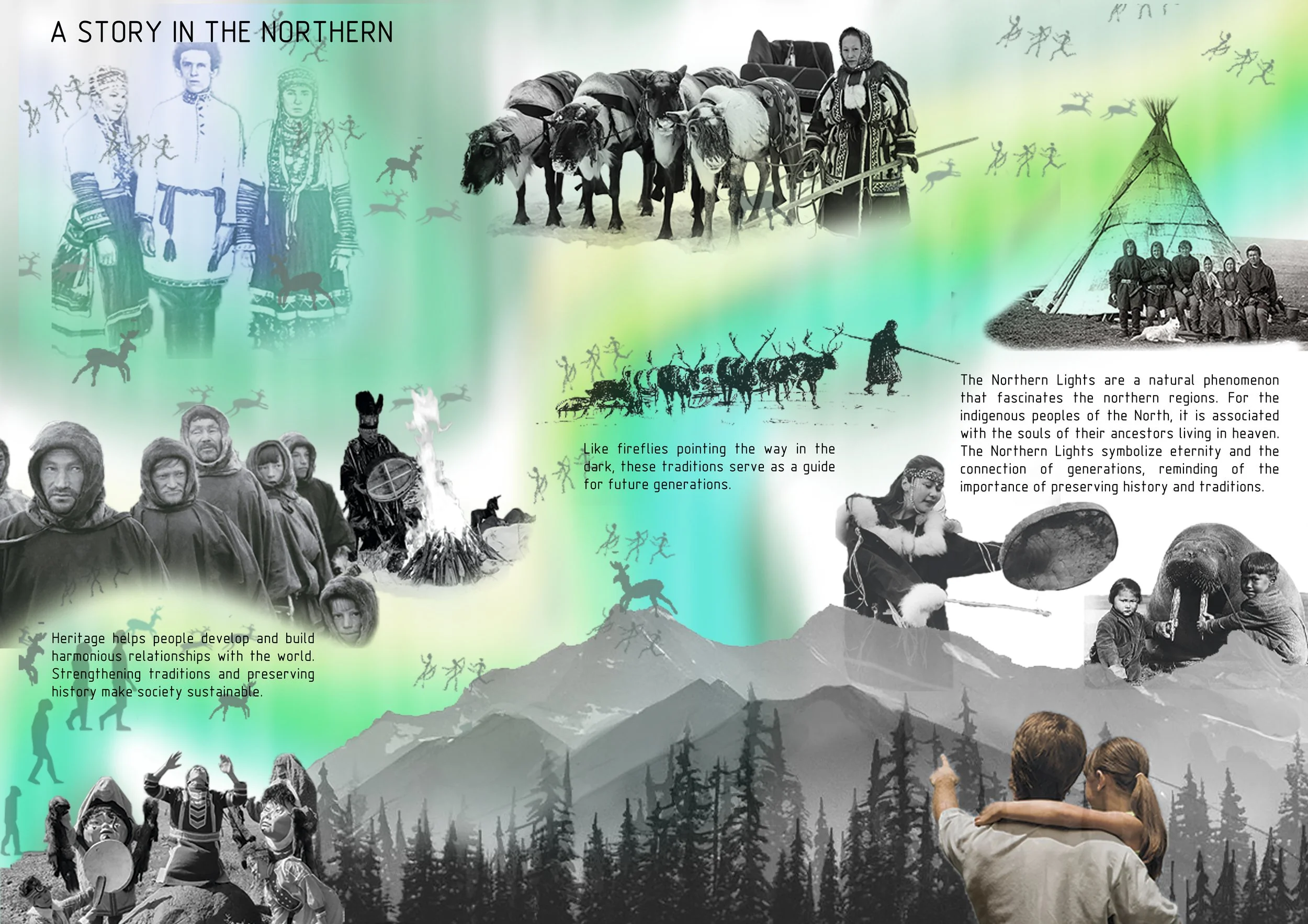
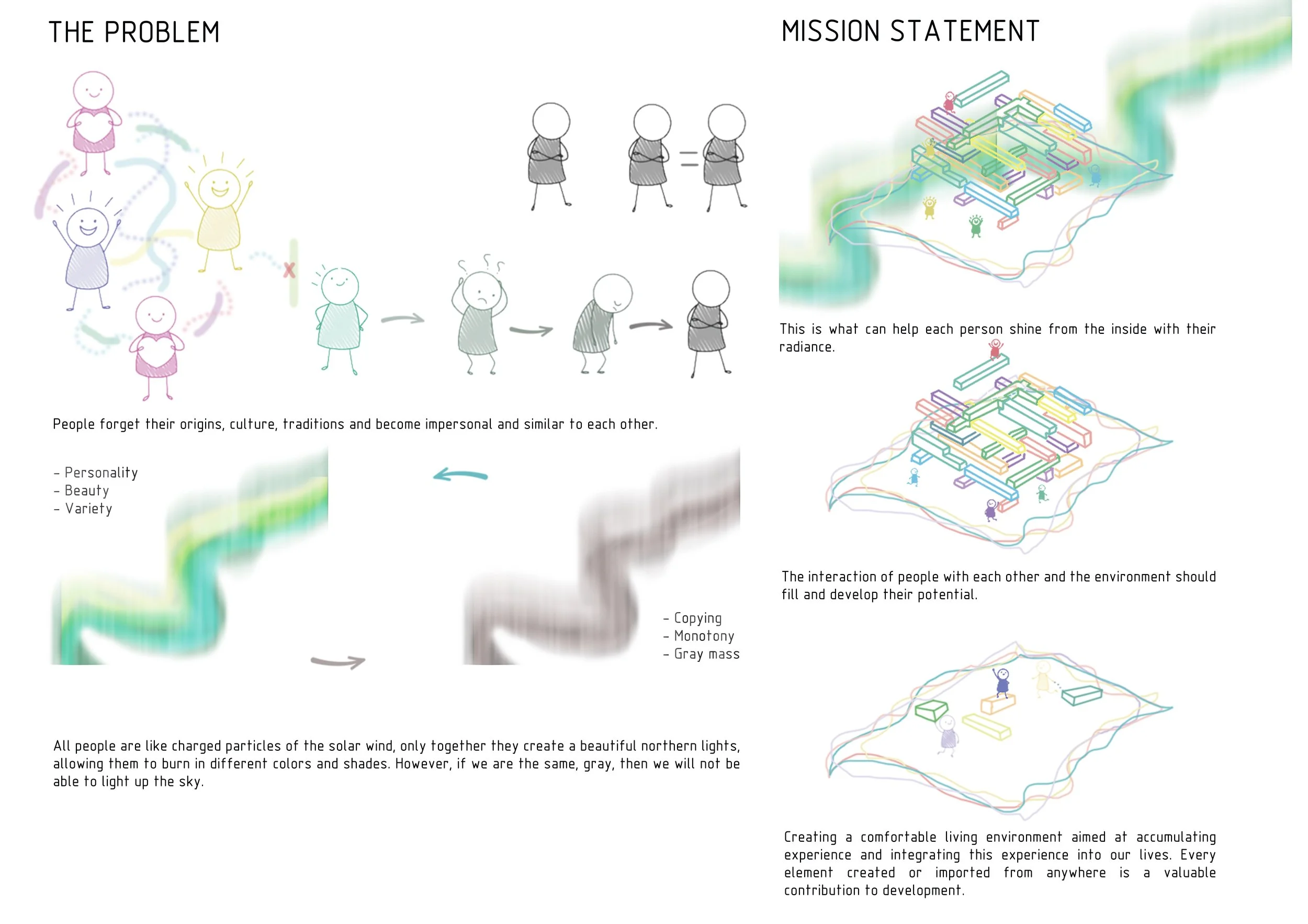
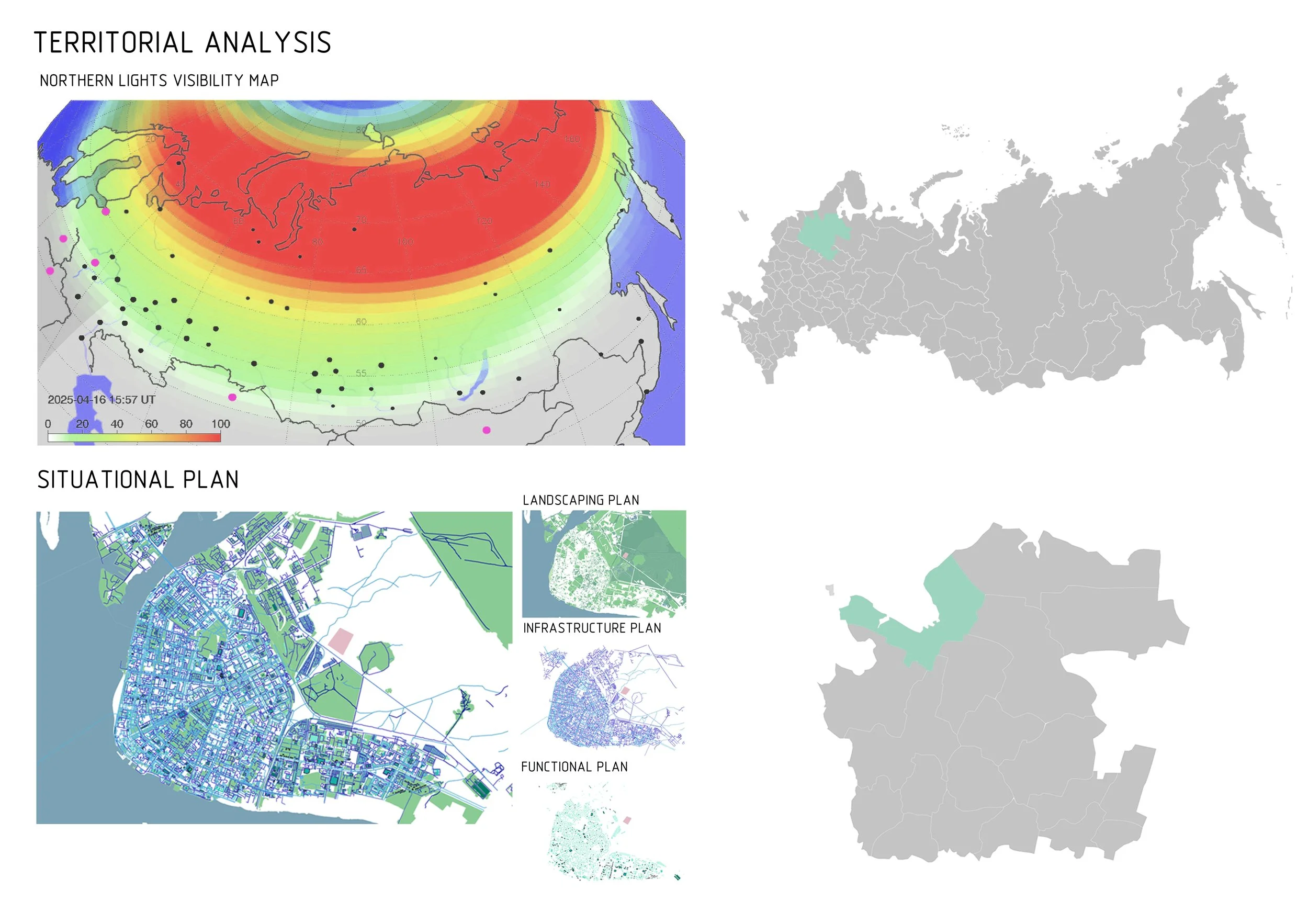
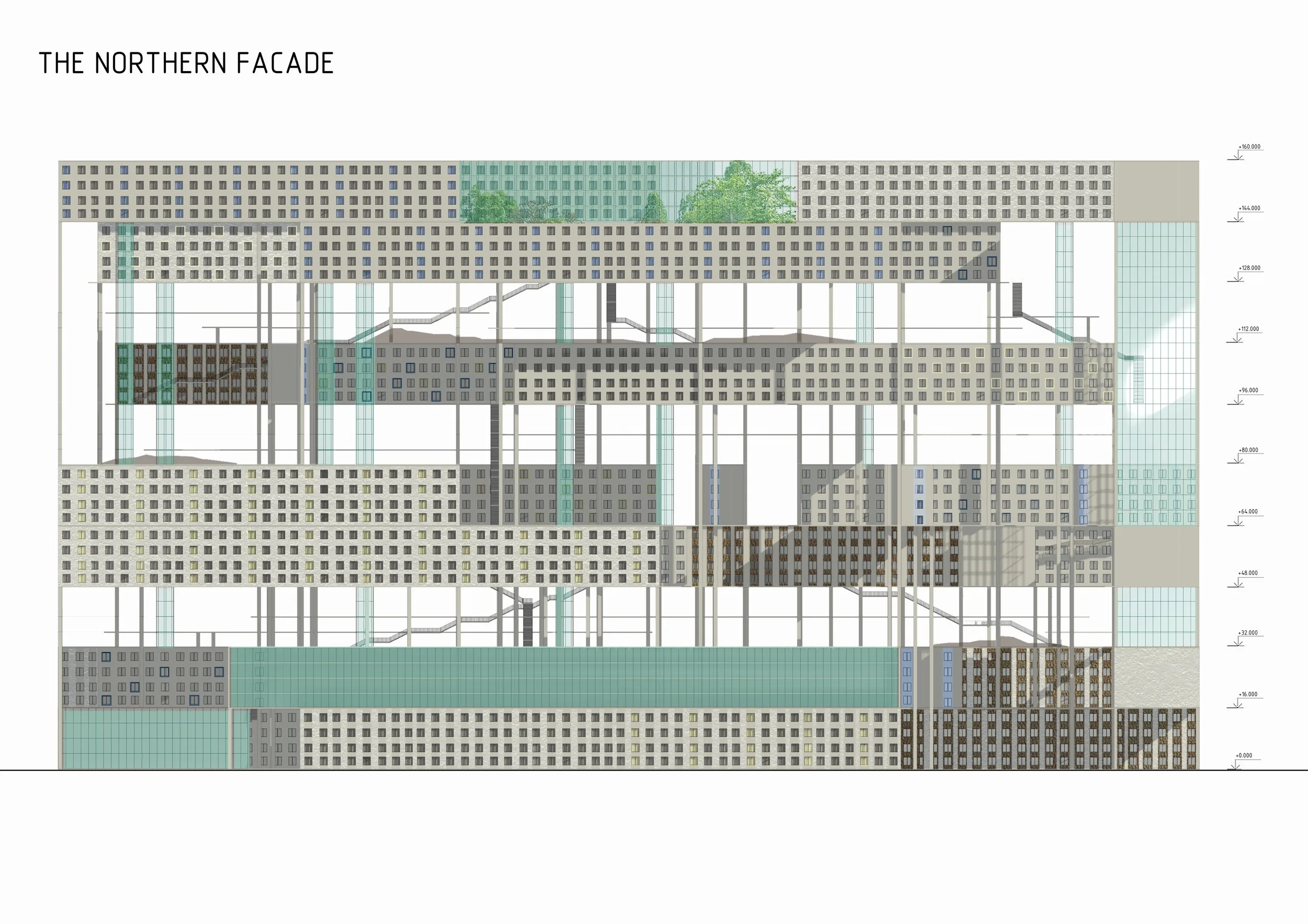
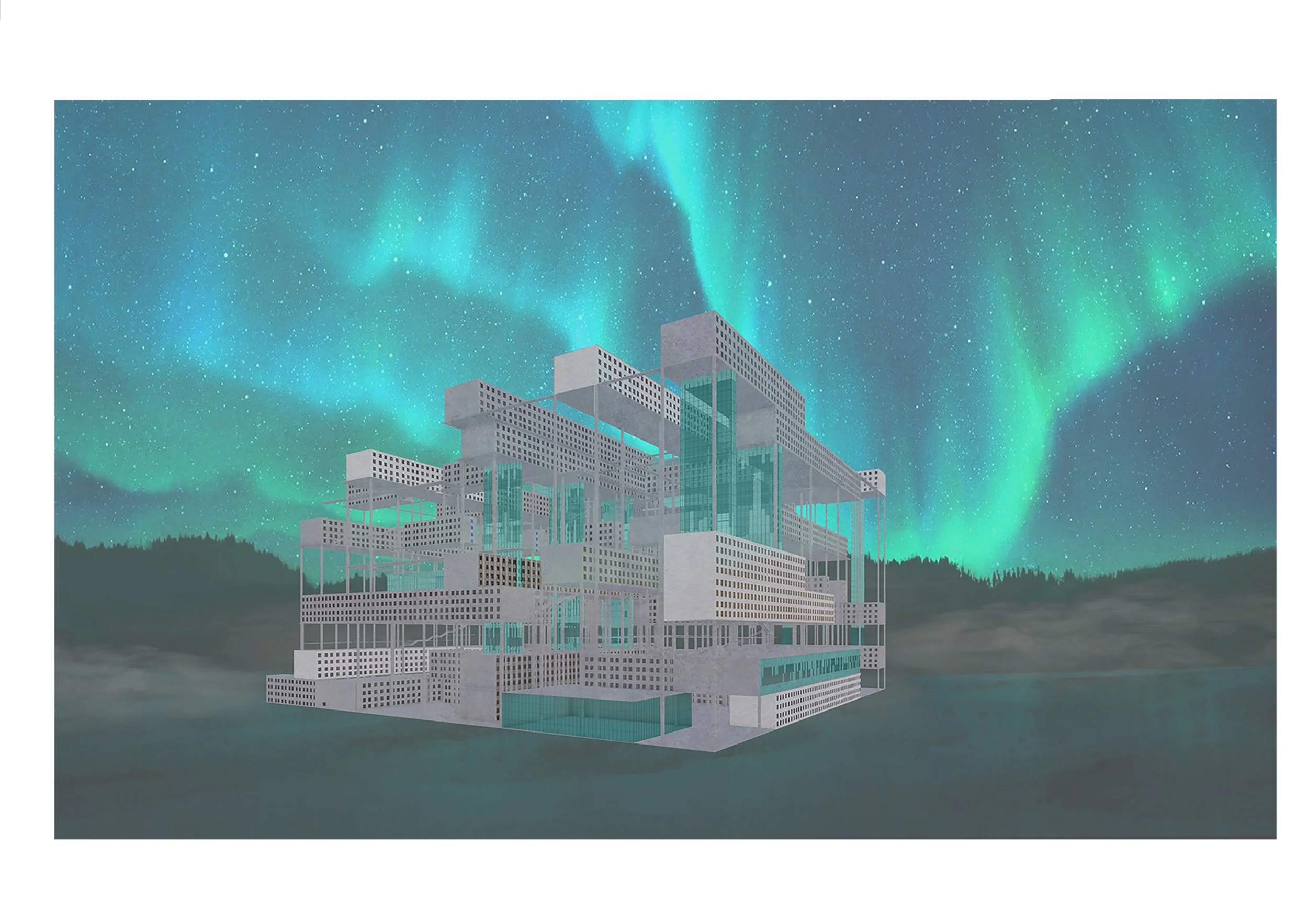
The architectural project draws its conceptual inspiration from the ephemeral beauty of the northern lights — a natural phenomenon that embodies the dynamic interplay of light, colour, and form in the Arctic sky.
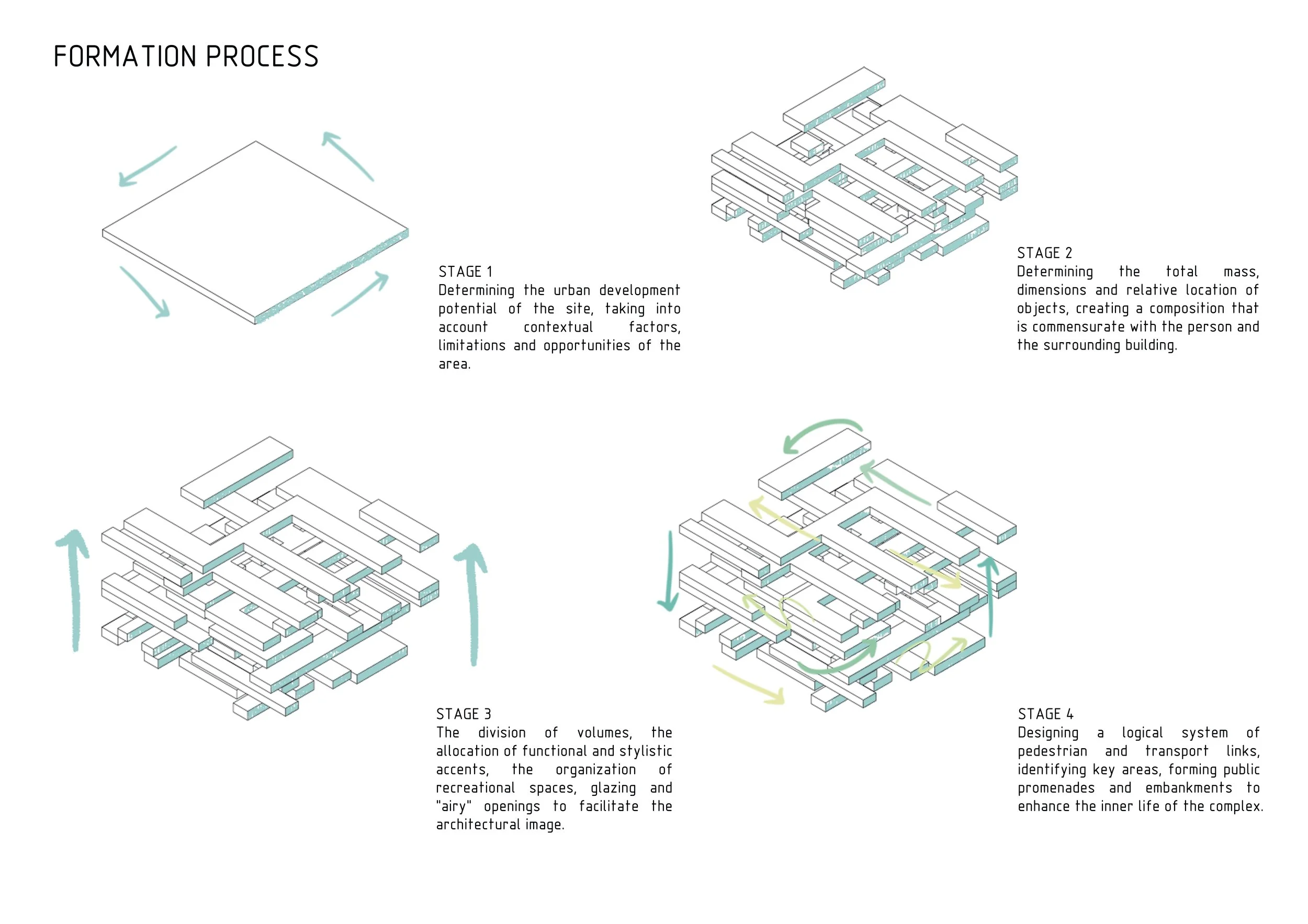
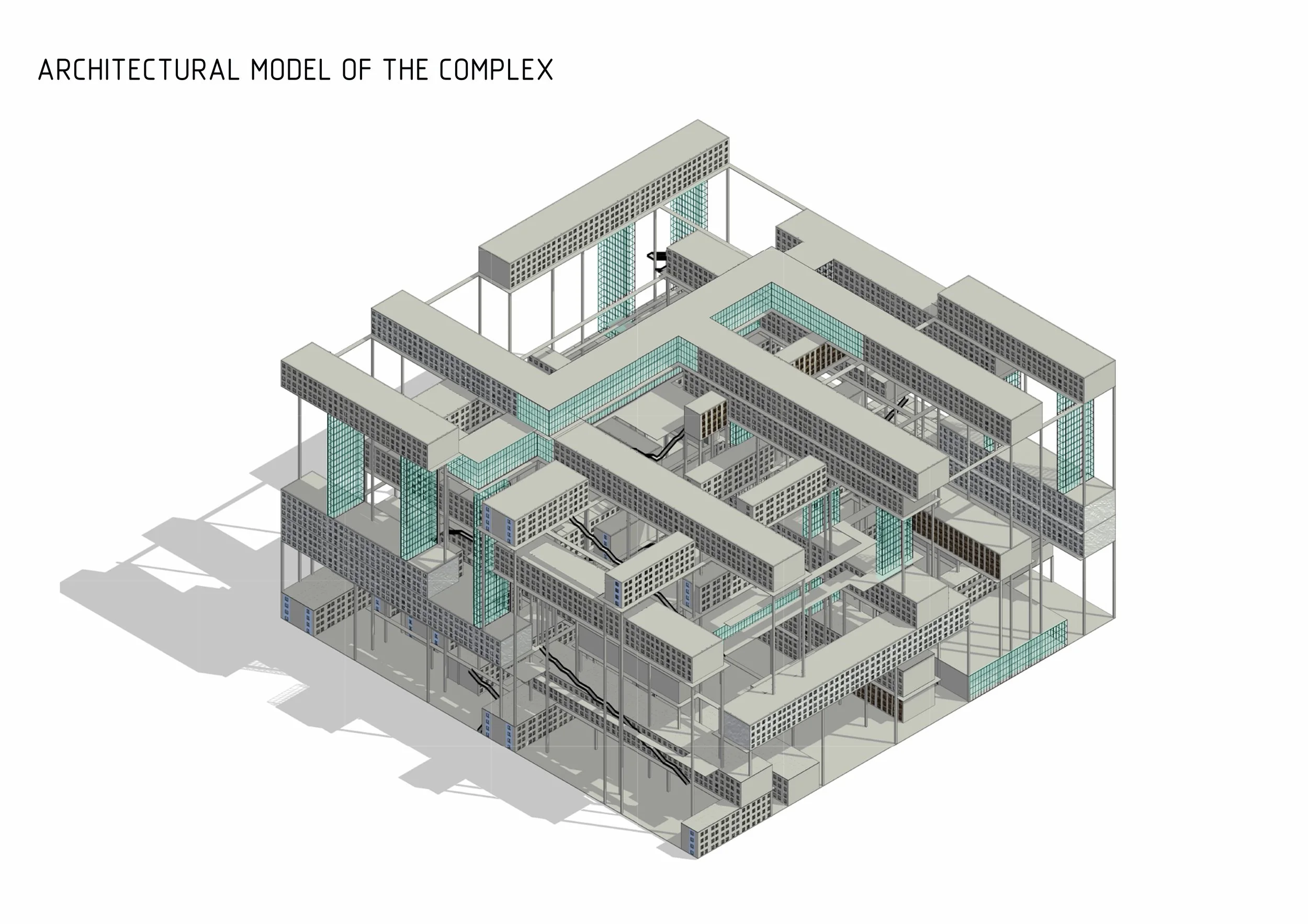
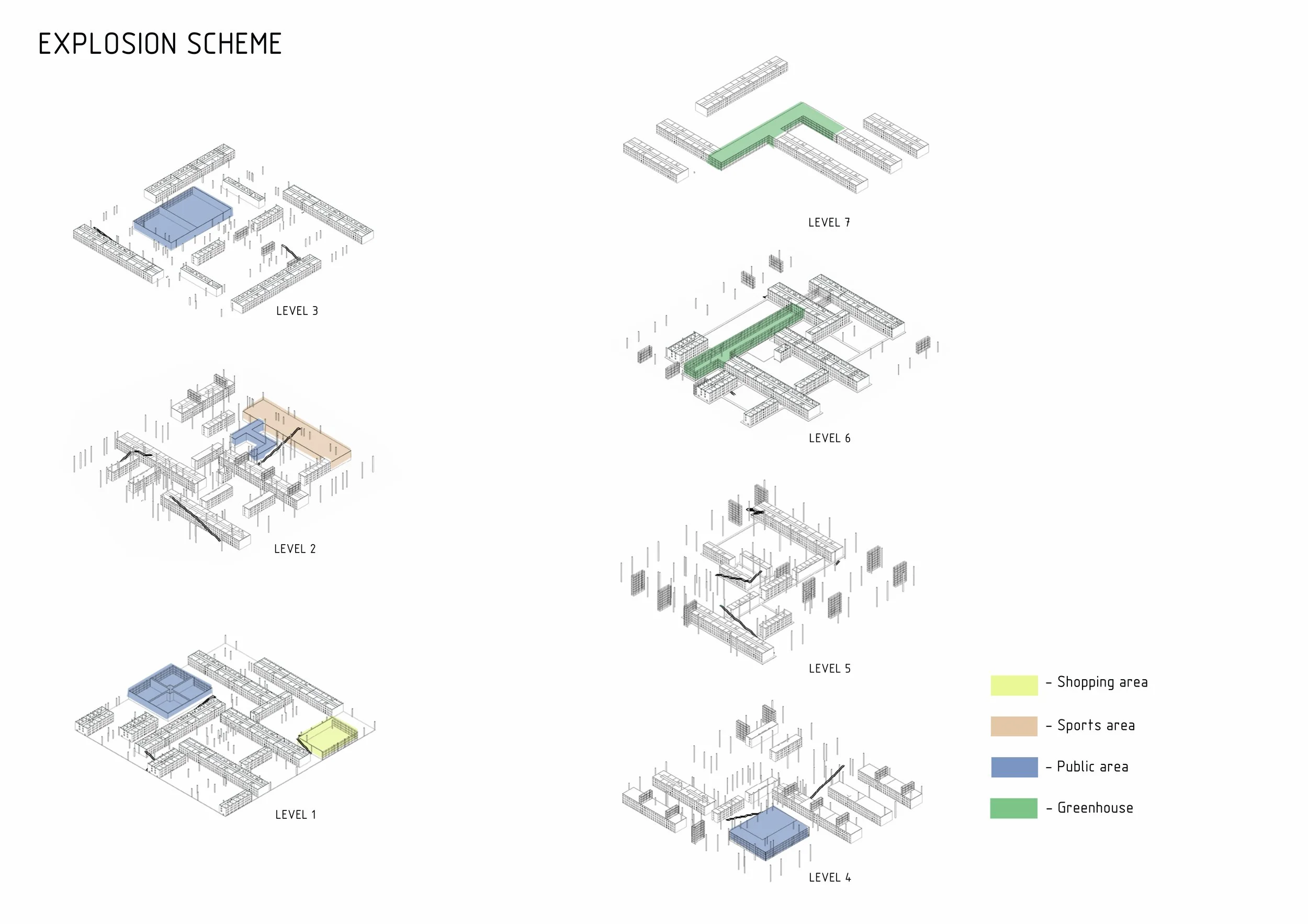
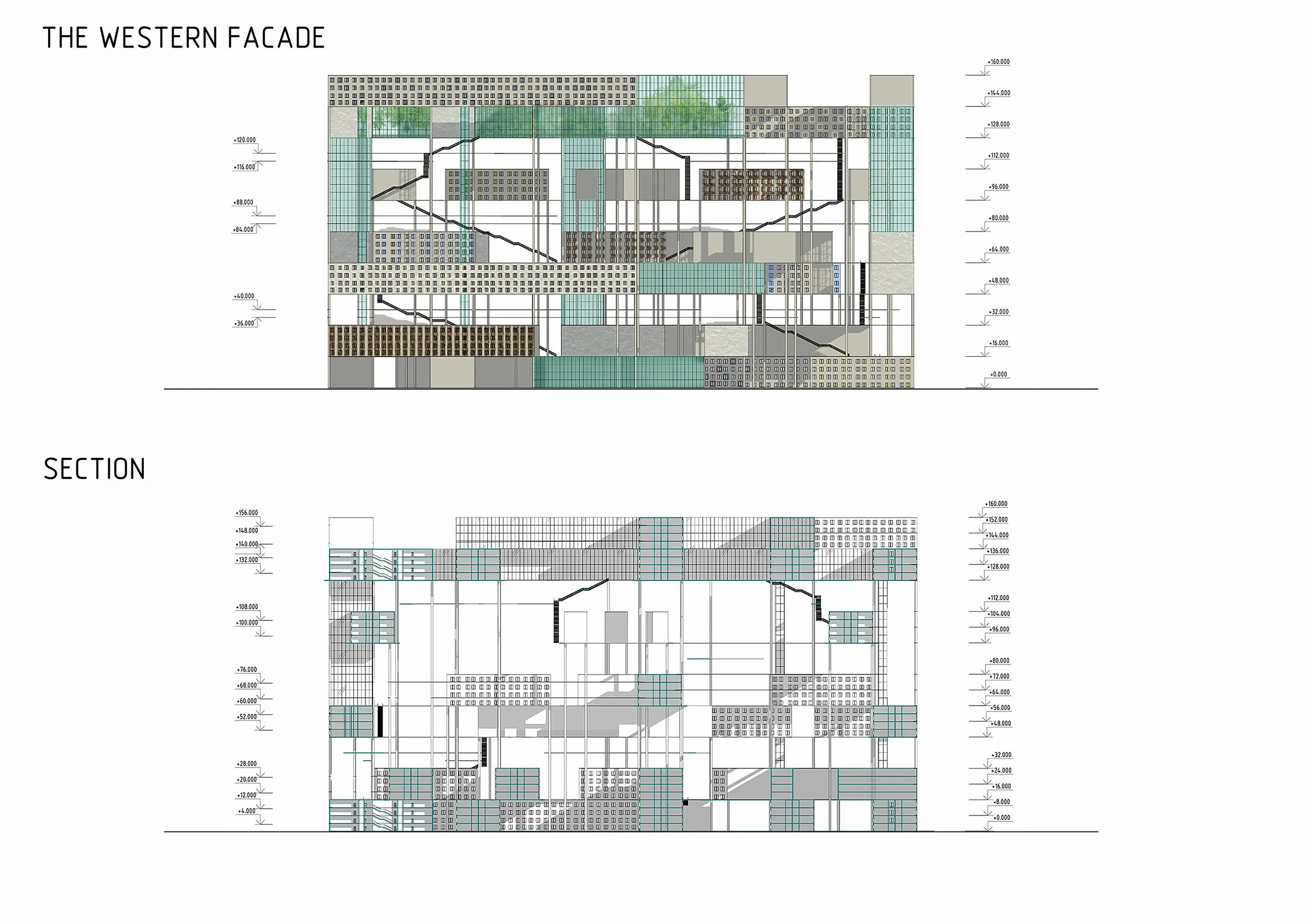
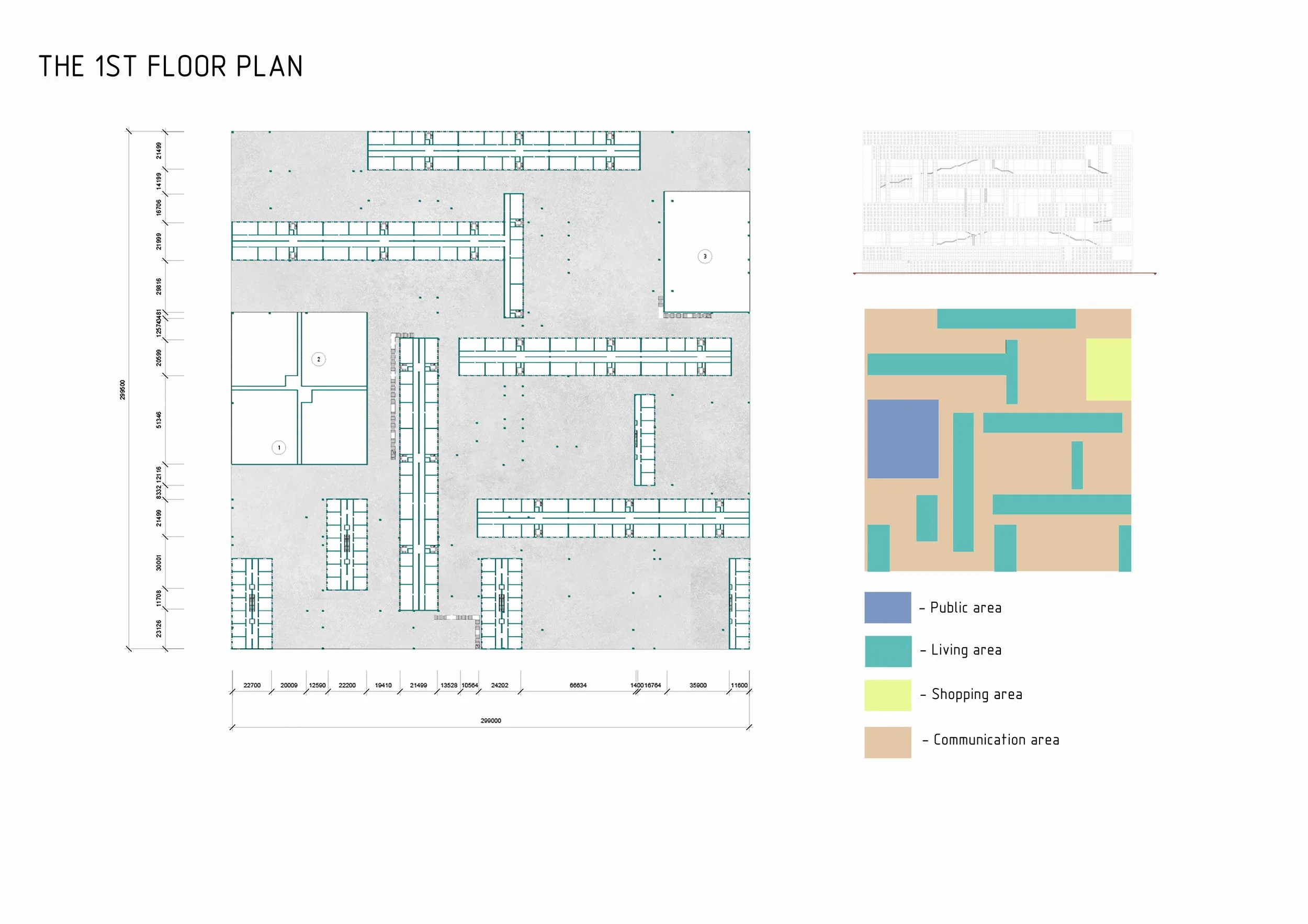
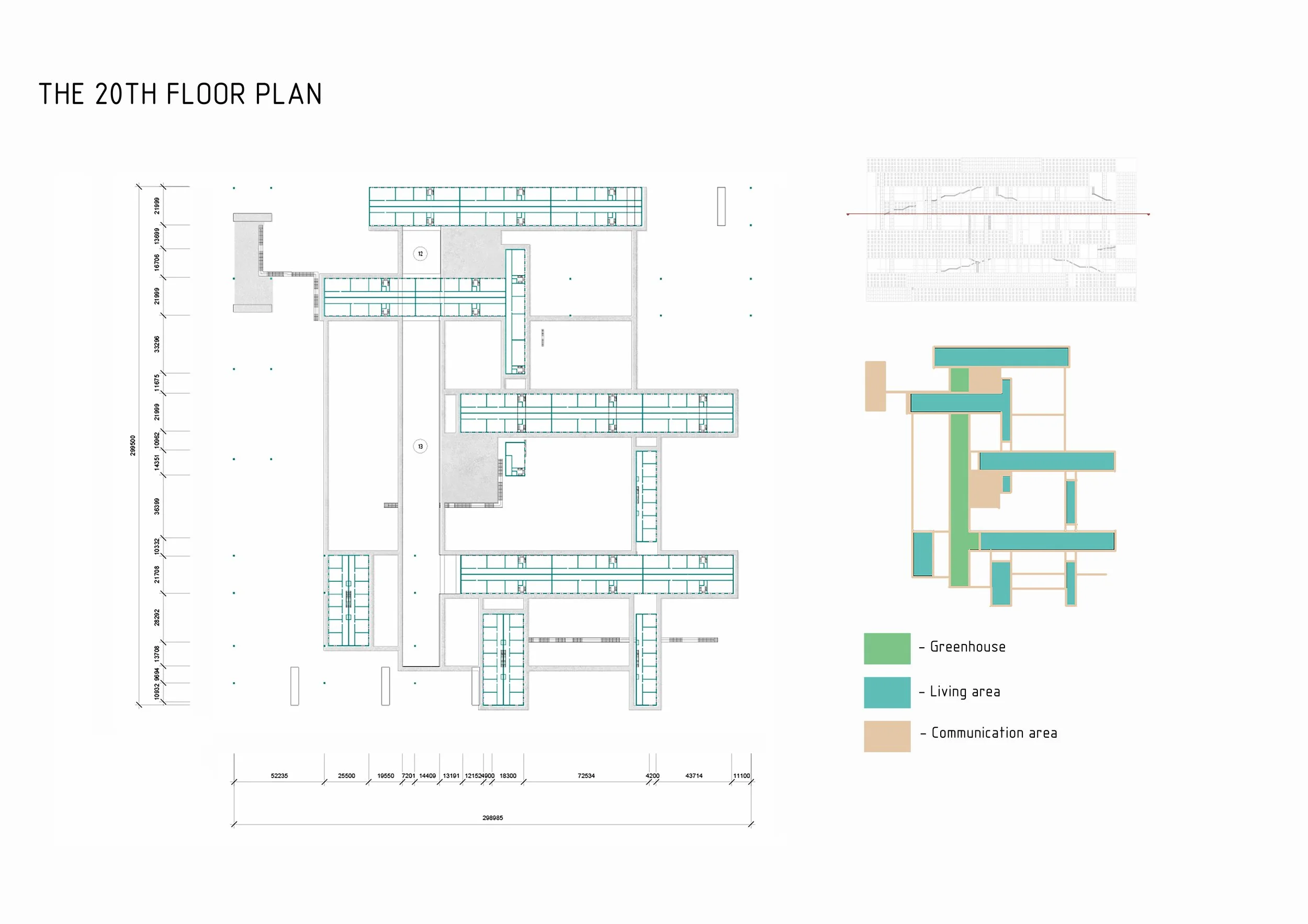
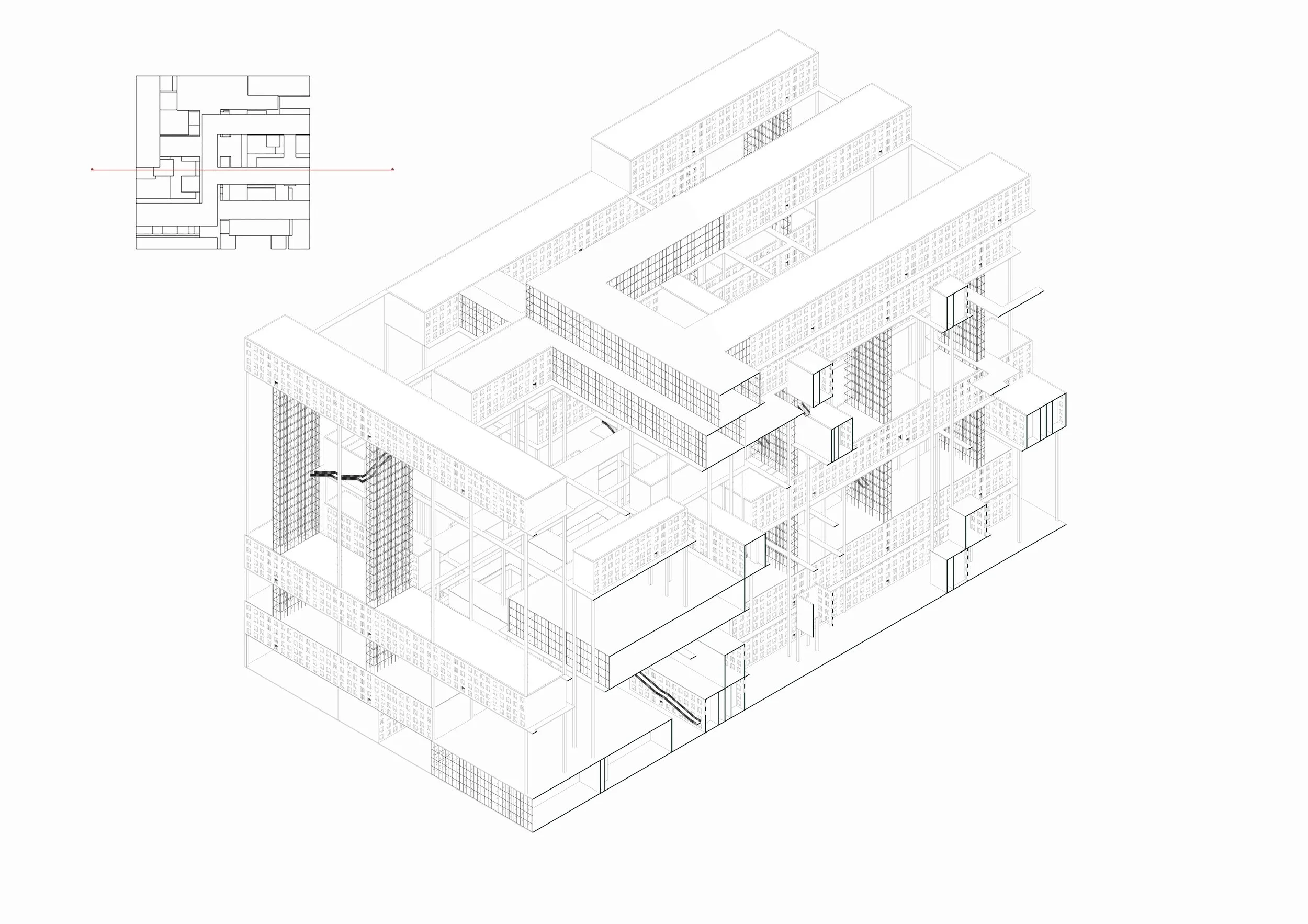
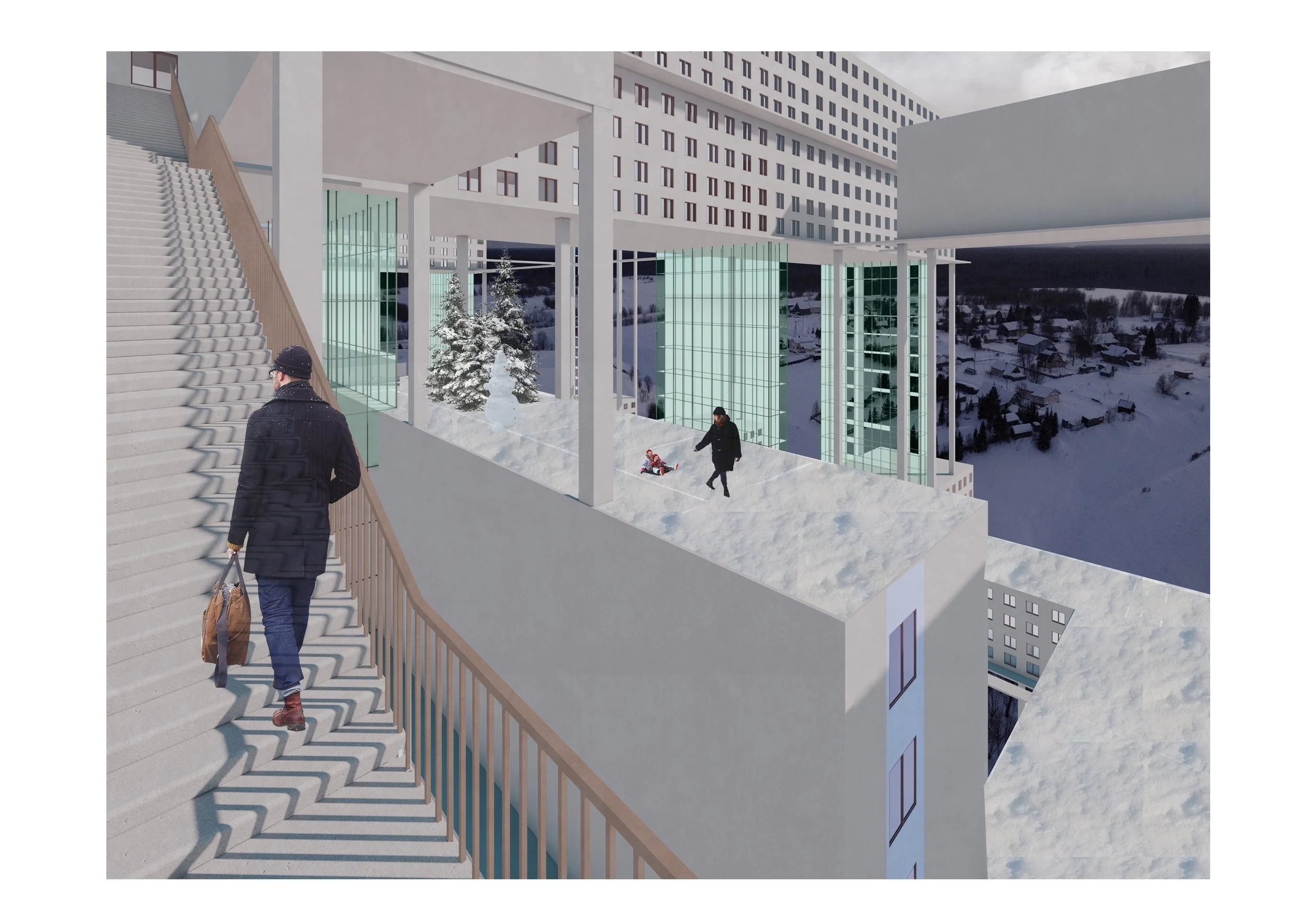
At the core of the spatial organisation lies a stratified morphological paradigm: the building is conceived as a sequence of hierarchically ordered «spatial layers», each imbued with distinct functional and aesthetic qualities. These strata do not exist in isolation; they are dynamically interconnected through an active social landscape — a fluid, multi‑layered interface that transcends conventional boundaries between architecture and urbanism.
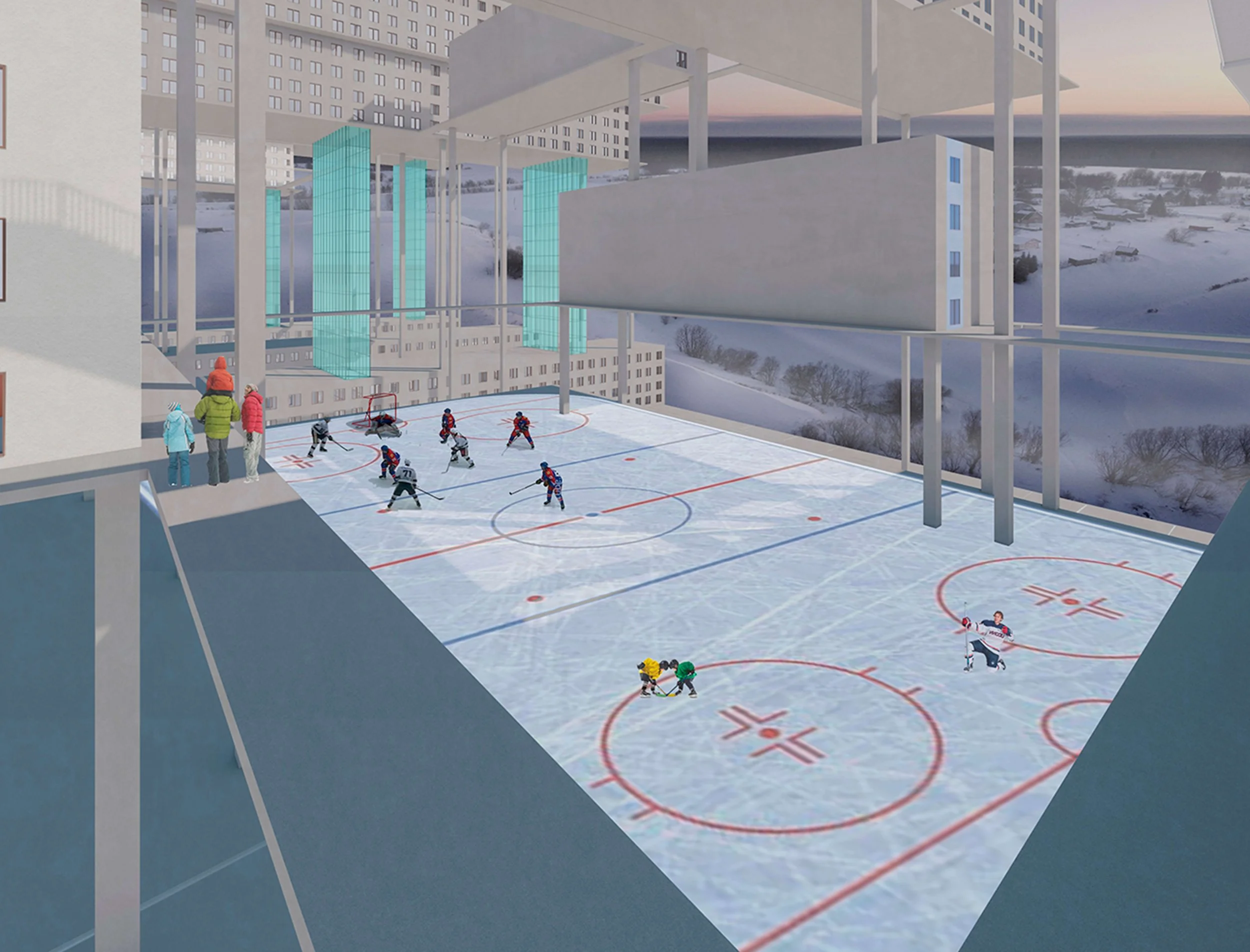
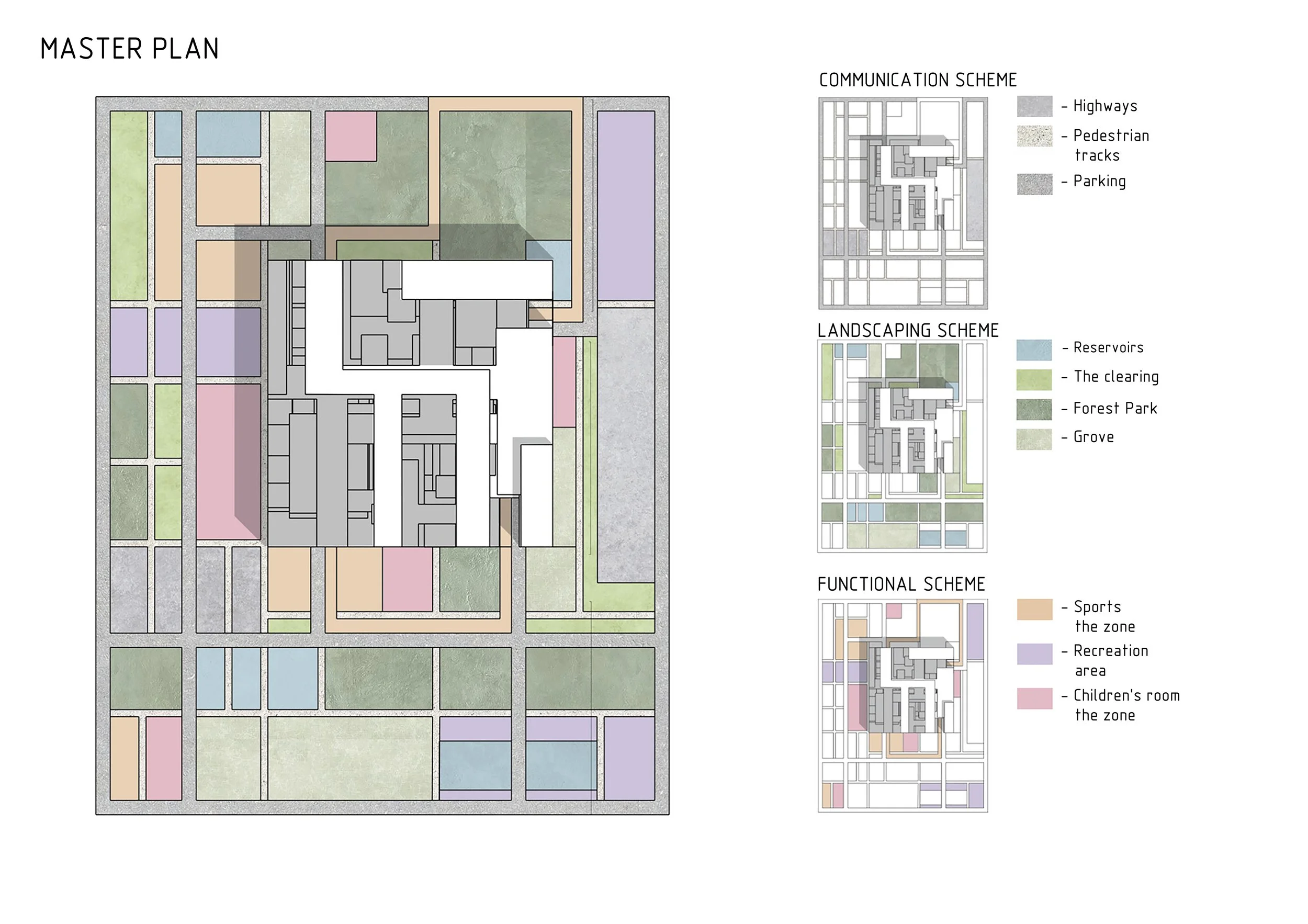
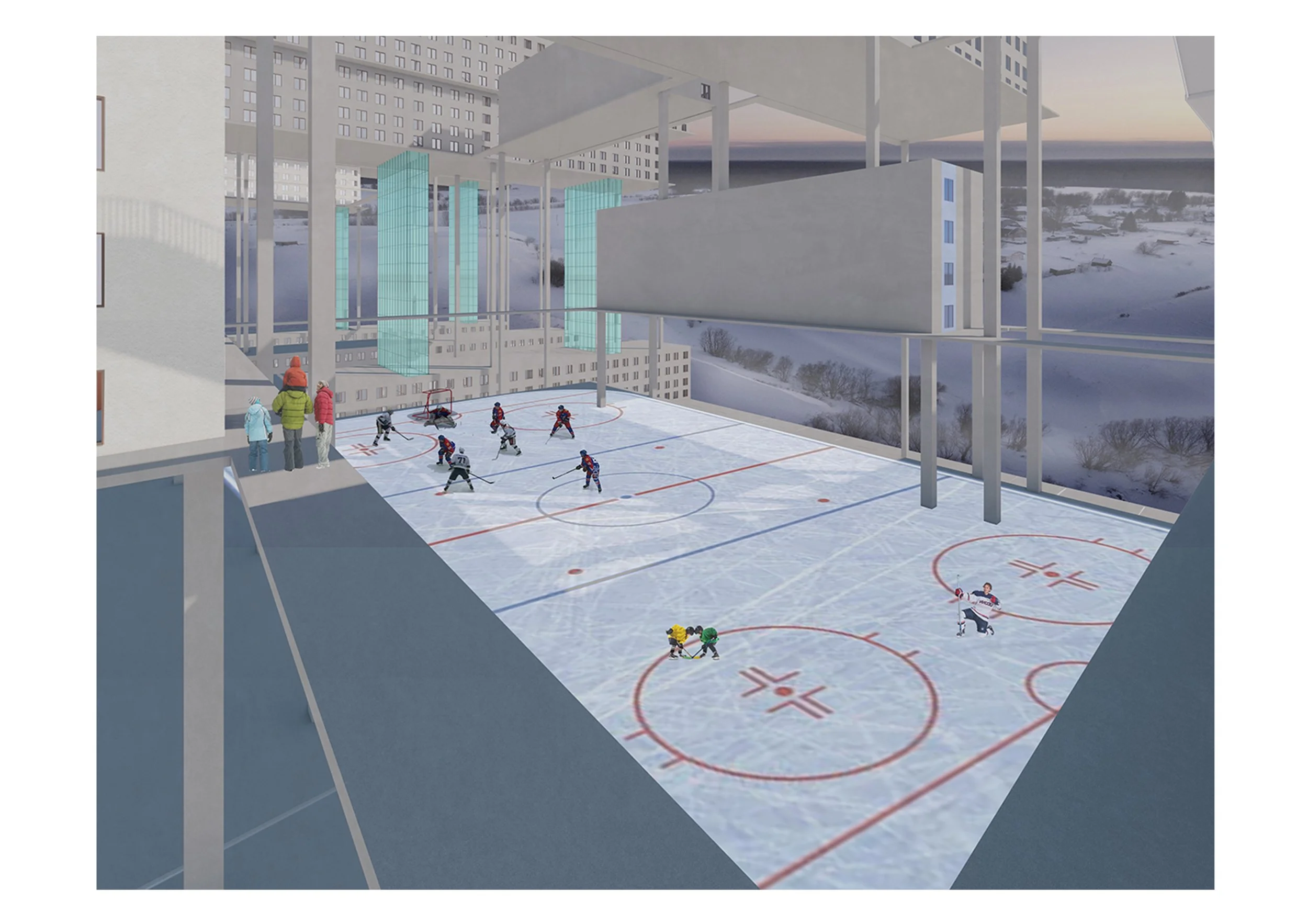
This integrative framework evolves into a multifunctional event platform of metropolitan significance. Functioning as a «carpet of events», the platform becomes a living canvas for the city’s cultural metabolism, where:
festival programmes unfold as temporal narratives;
mass cultural events generate collective experiences;
sports competitions introduce kinetic energy into the urban fabric.
The adoption of this architectural‑planning strategy is not arbitrary — it emerges as a context‑driven response to the project’s location within the permafrost zone. In these extreme climatic conditions, conventional dispersed urban models prove inadequate. Instead, the design proposes a radical spatial consolidation: all social functions are aggregated into a unified multidimensional core — a thermodynamic and symbolic heart of the complex.
This centripetal organisation achieves a dual objective:
Thermodynamic efficiency: the compact configuration minimises heat loss while creating protected microclimates.
Symbolic generation of «warmth and light»: beyond physical comfort, the core becomes a metaphorical beacon — a locus of social vitality, human connection, and psychological refuge against the harsh northern environment.
Thus, the project transcends mere functional adaptation; it establishes an architectural allegory of resilience, where the ephemeral poetry of the northern lights informs a robust, socially‑engaged built environment. The result is a synthesis of poetic inspiration and climatic pragmatism — a architecture that both mirrors and mitigates the extremities of its context.