Certificate of Merit from the Council of Chief Architects XXXIII Interregional Architectural Festival "Zodchestvo Russia 25" Review and Competition: Creative Works of Students from Architectural Universities and Colleges Nomination: Creative Works of University Students from Russia and Foreign Countries in the "Urban Planning" Category, 2025
Bronze Diploma XXXIII Interregional Architectural Festival "Zodchestvo Russia 25" Review and Competition: Creative Works of Students from Architectural Universities and Colleges Nomination: Creative Works of University Students from Russia and Foreign Countries in the "Urban Planning" Category, 2025
International Student Works Competition ARCHI START, 2025
An experimental linear city based on the principles of hydrotecture interacts harmoniously with water changes, scaling from local cells to transcontinental networks, adapting to local conditions and overcoming the unified perception of the planet.
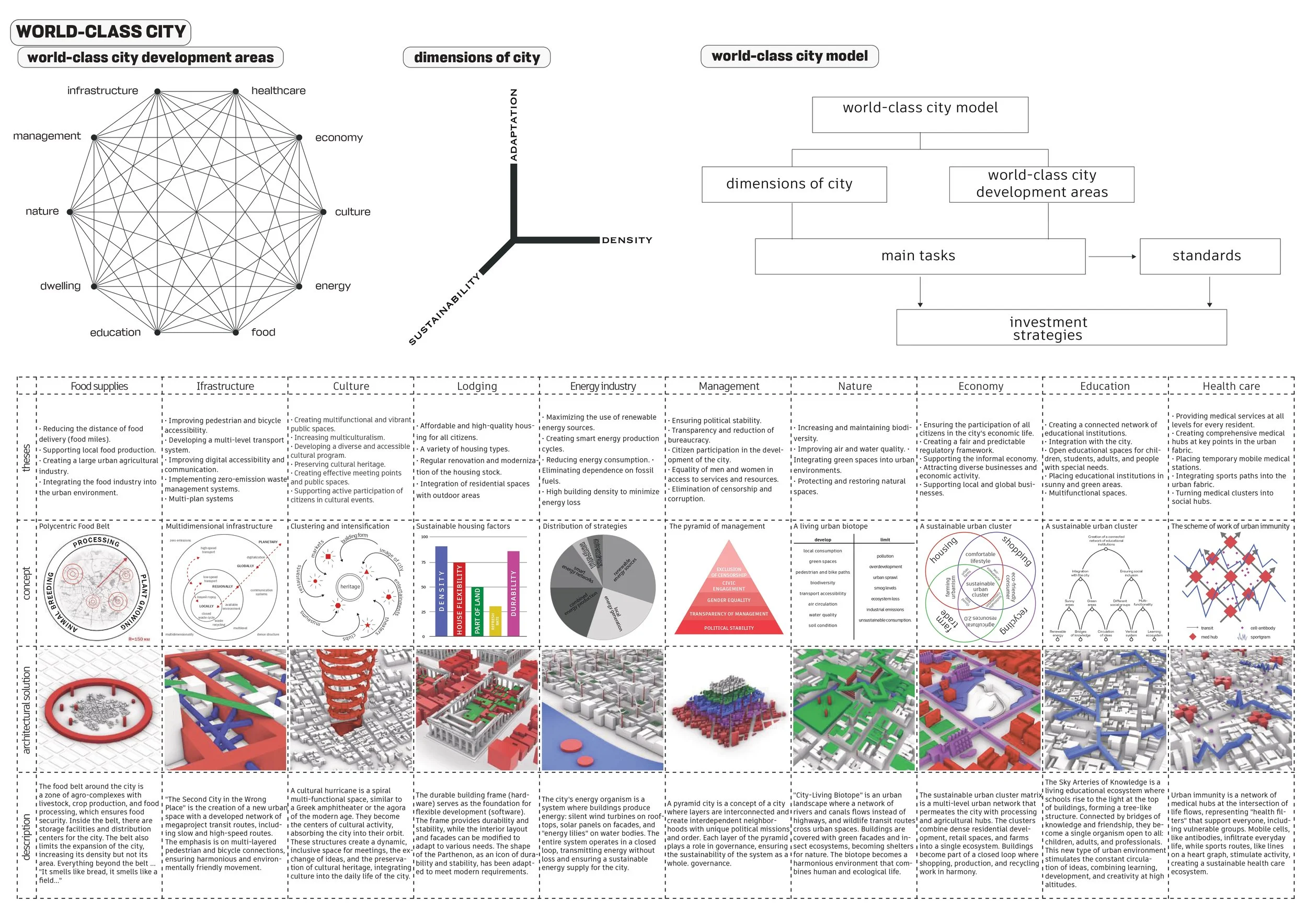
Anthropose is the concept of actively managing planetary processes through adaptive architecture, where hydrotecture becomes a key tool. In contrast to passive observation of the Anthropocene, Anthropoza proposes proactive shaping of the urban environment, minimising the ecological footprint and reinforcing "local" identity. Hydrotecture realizes the Anthropocene by integrating water into design to adapt to local conditions and scale to global systems.
Hydrotecture is a practical tool of Anthropose, answering the question "how?" to create cities that co-operate with nature. Anthropose is a philosophy that sets a goal: to manage planetary change for the benefit of people and nature, answering the question "why?".
Together they form a model of cities working in harmony with nature at local and global levels.
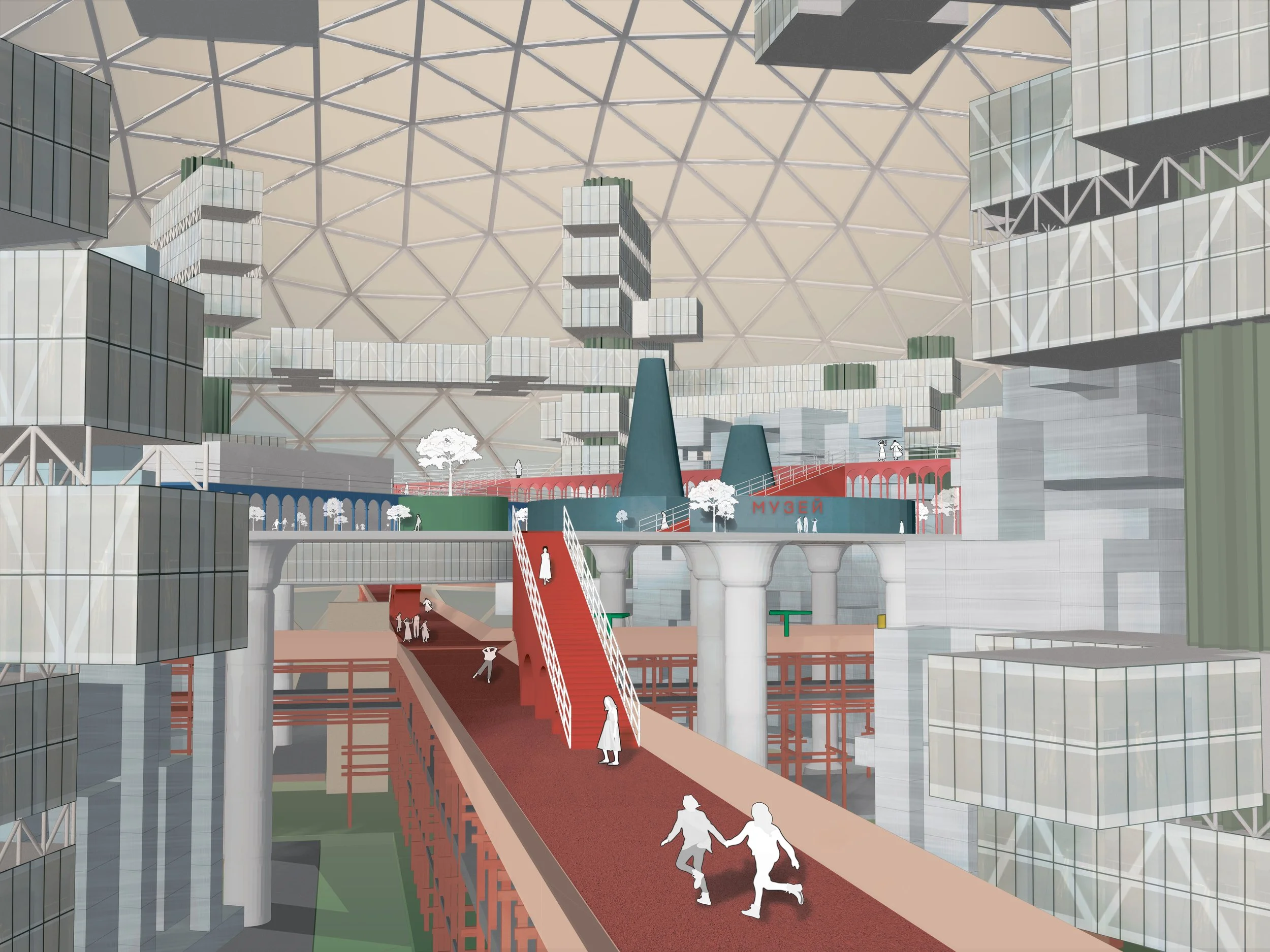
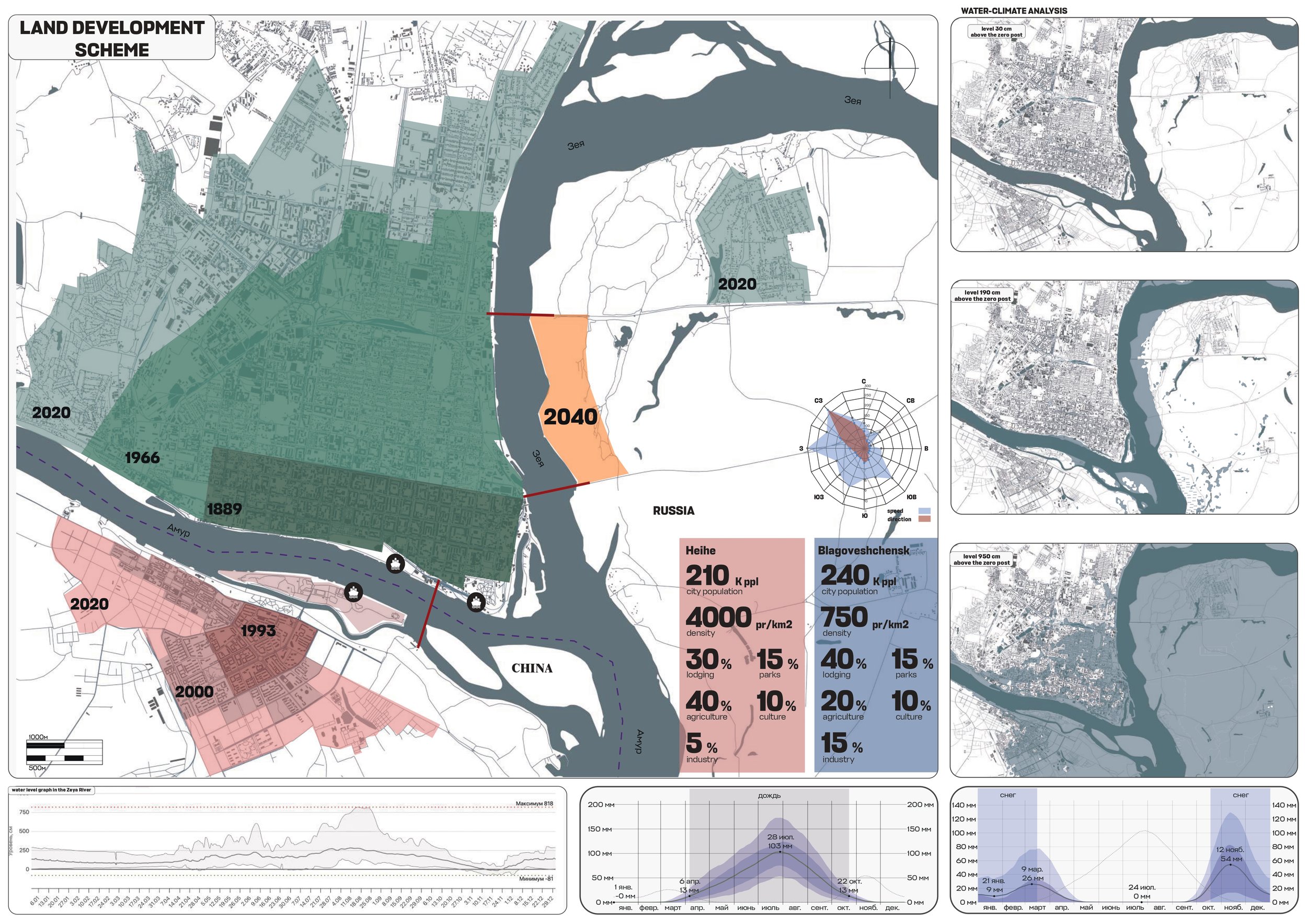
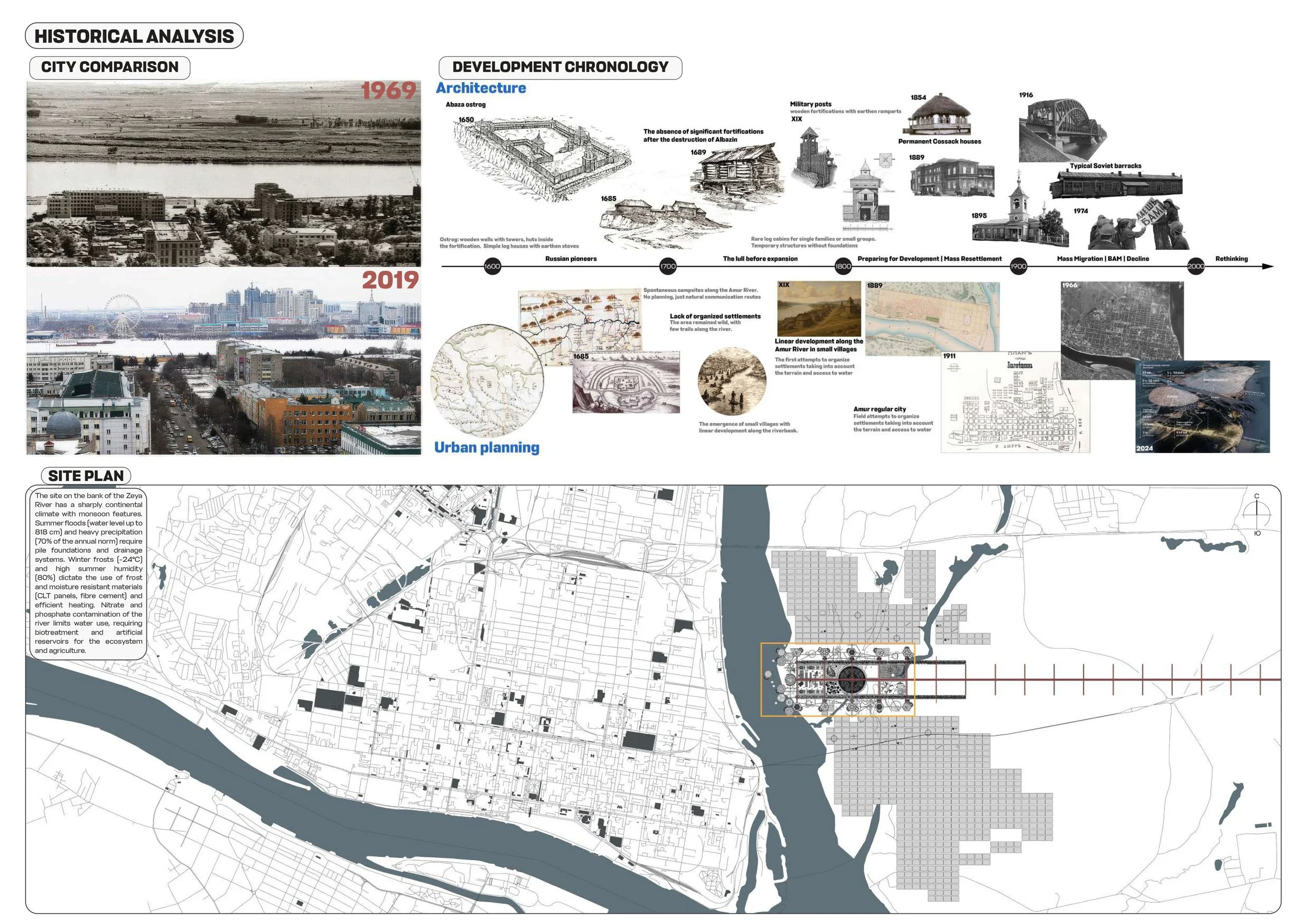
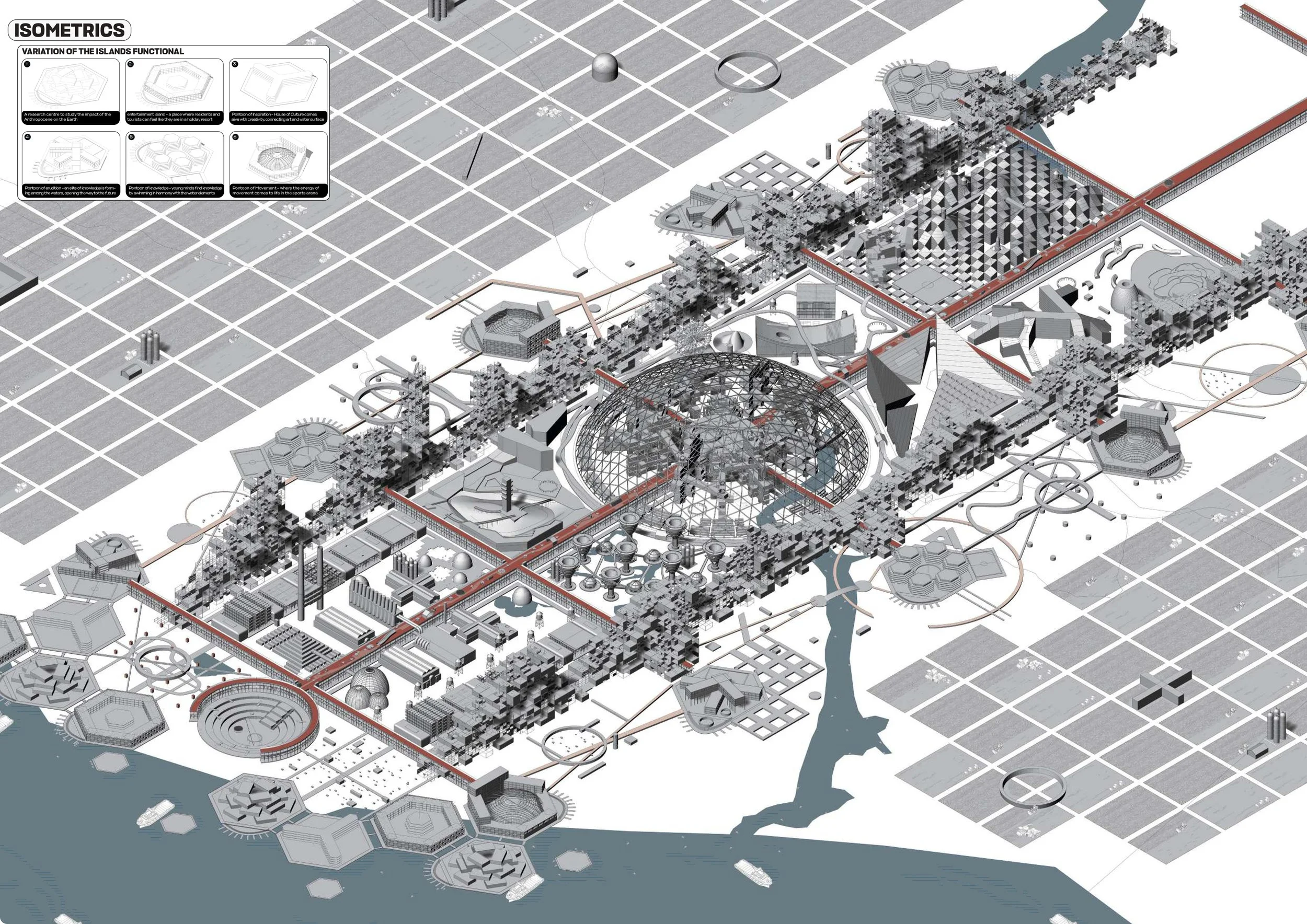
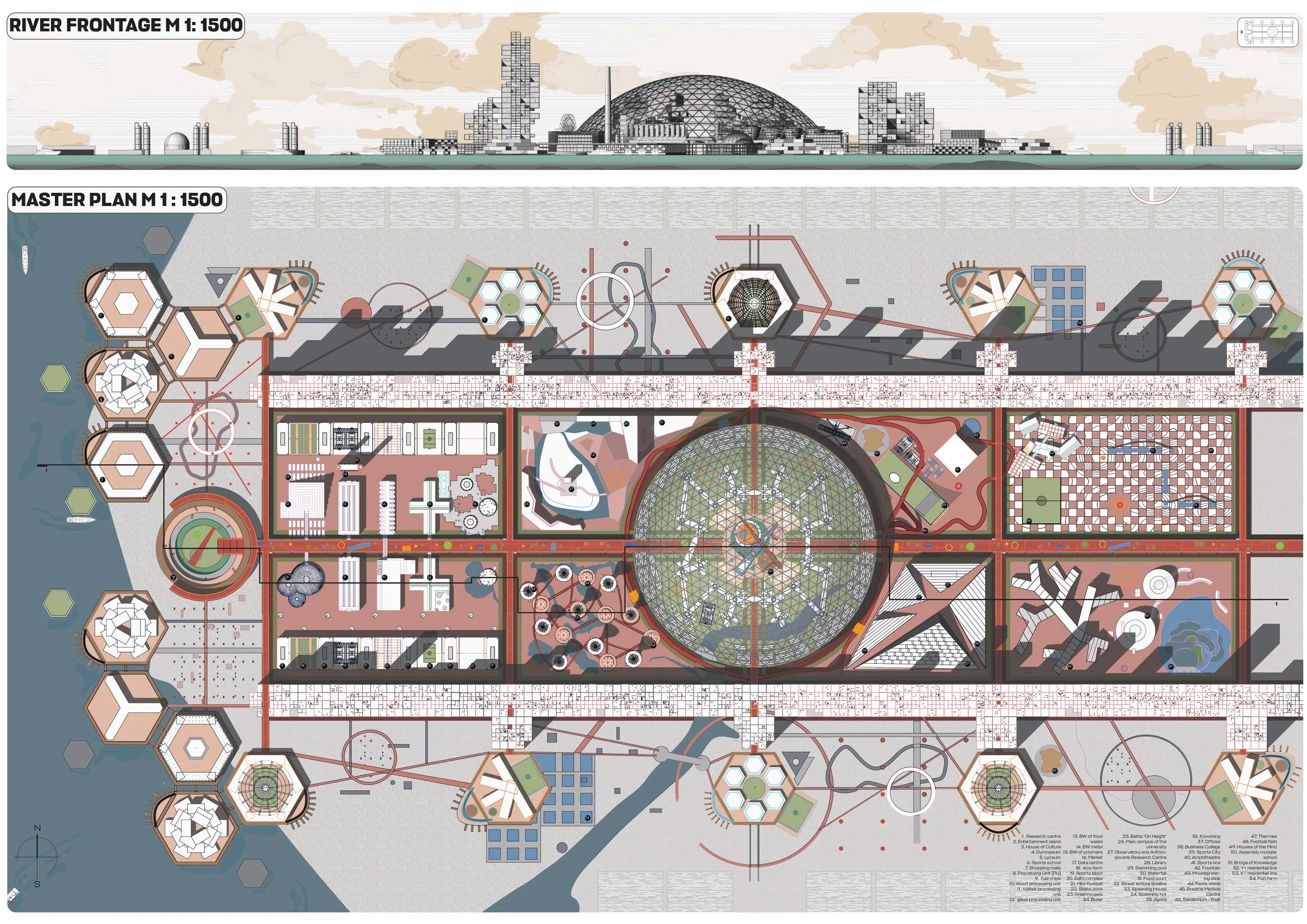
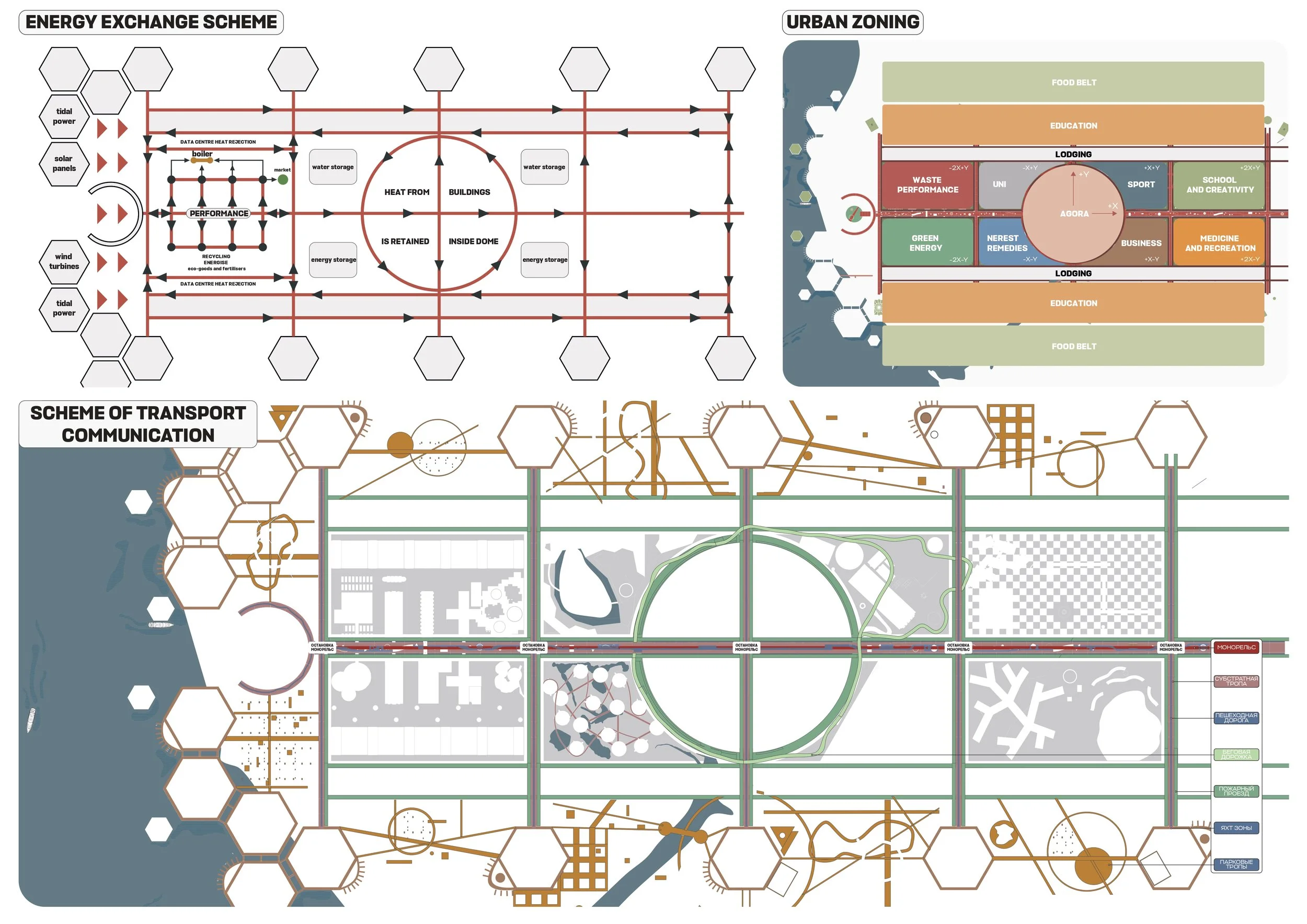
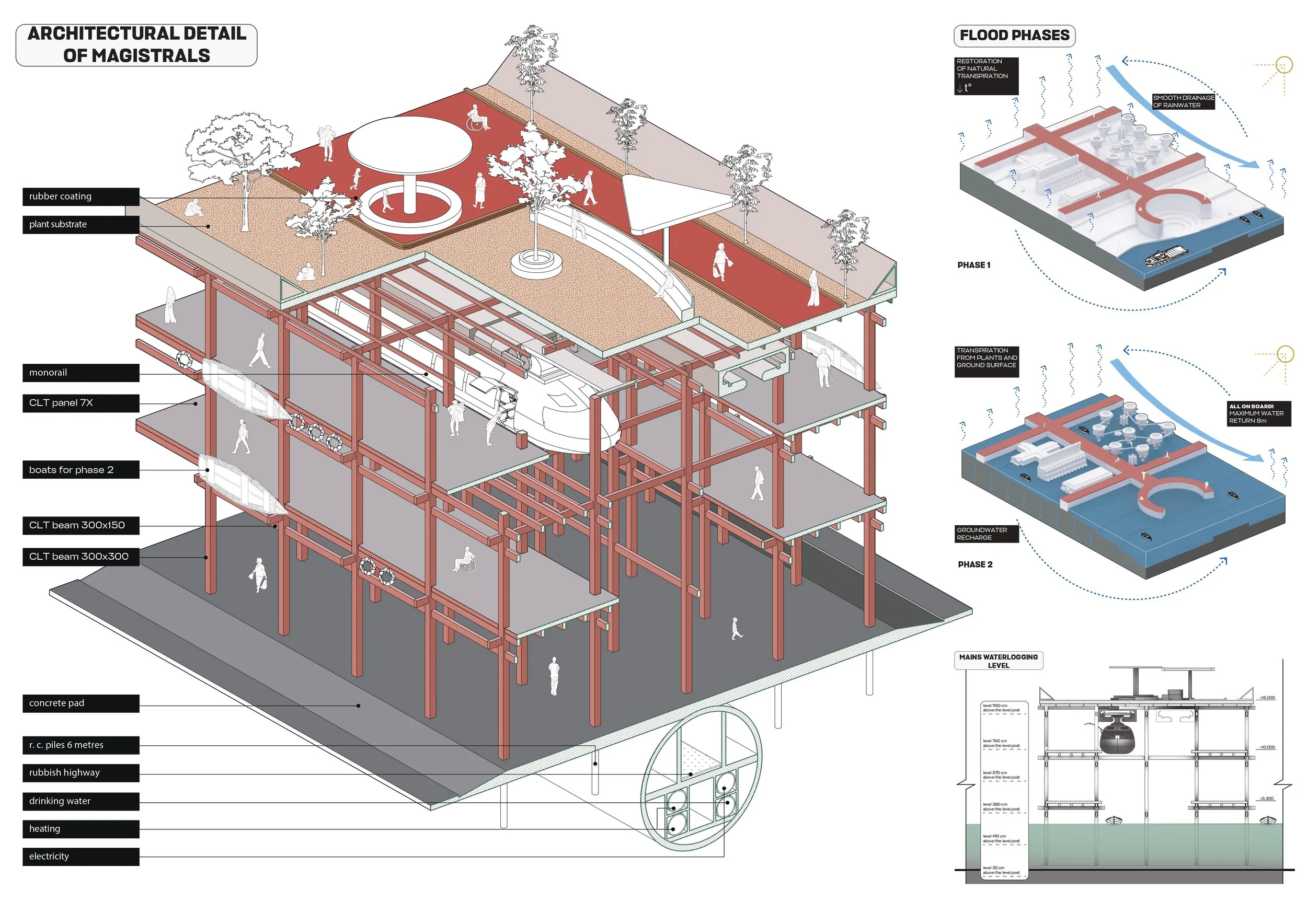
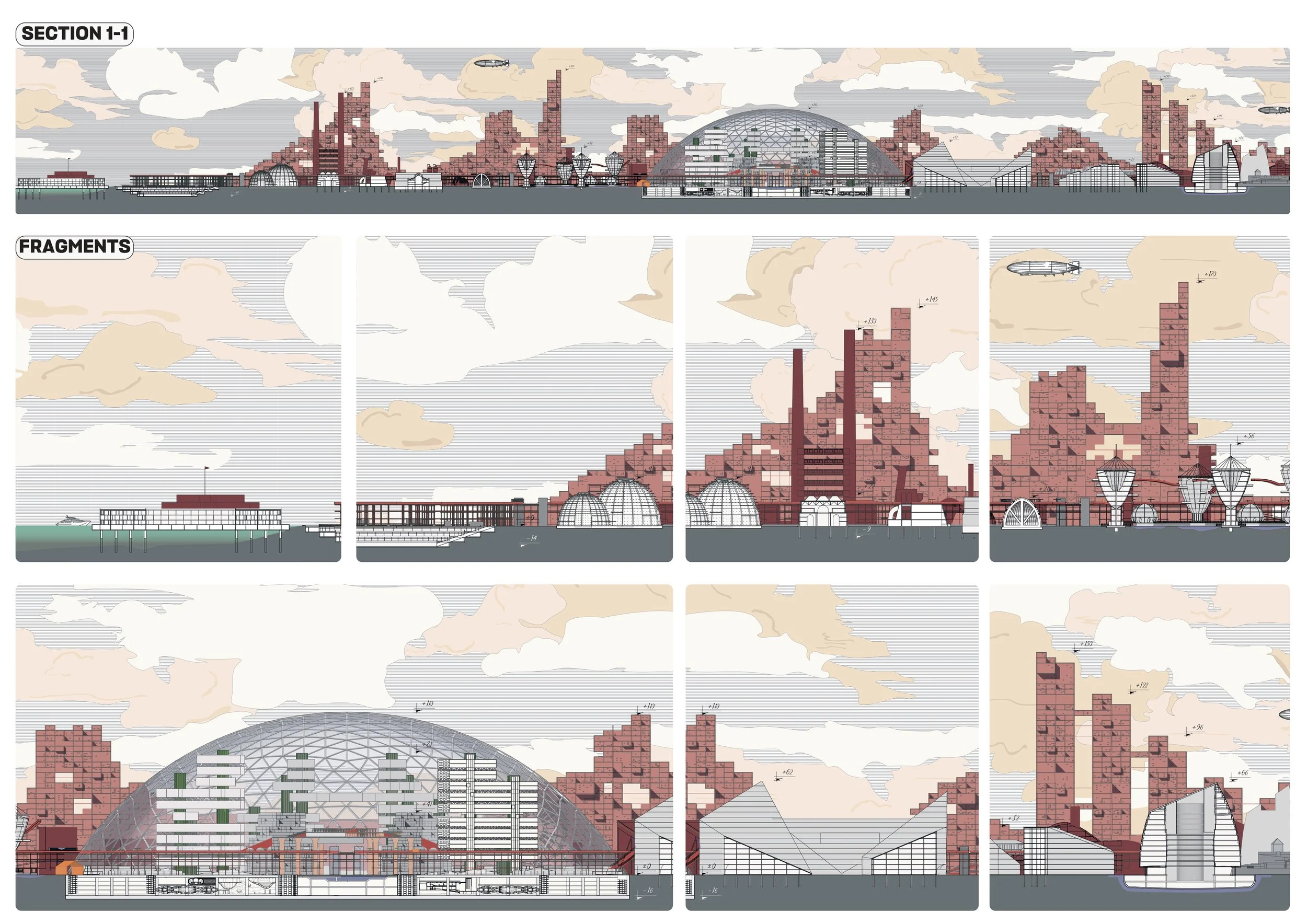
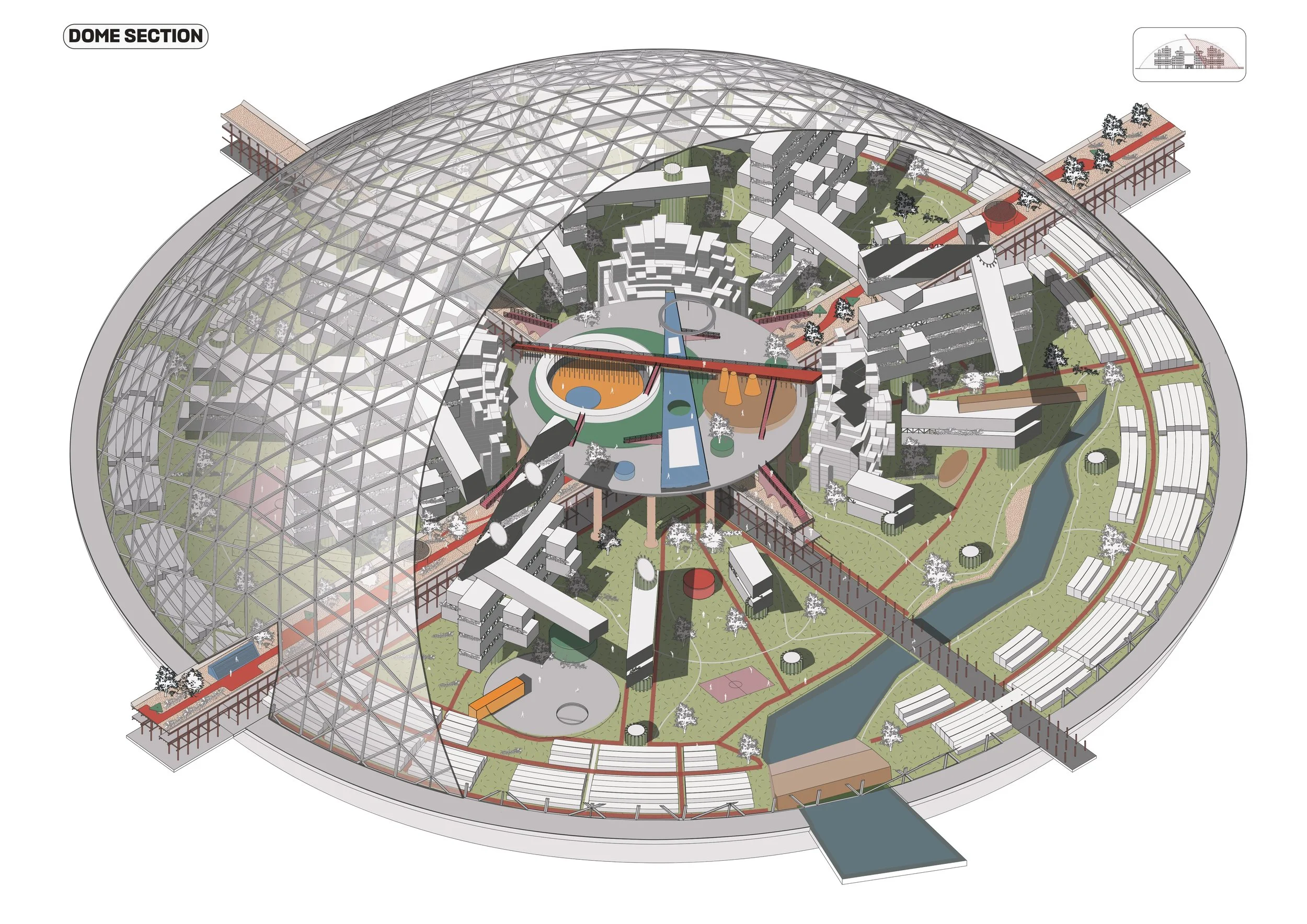
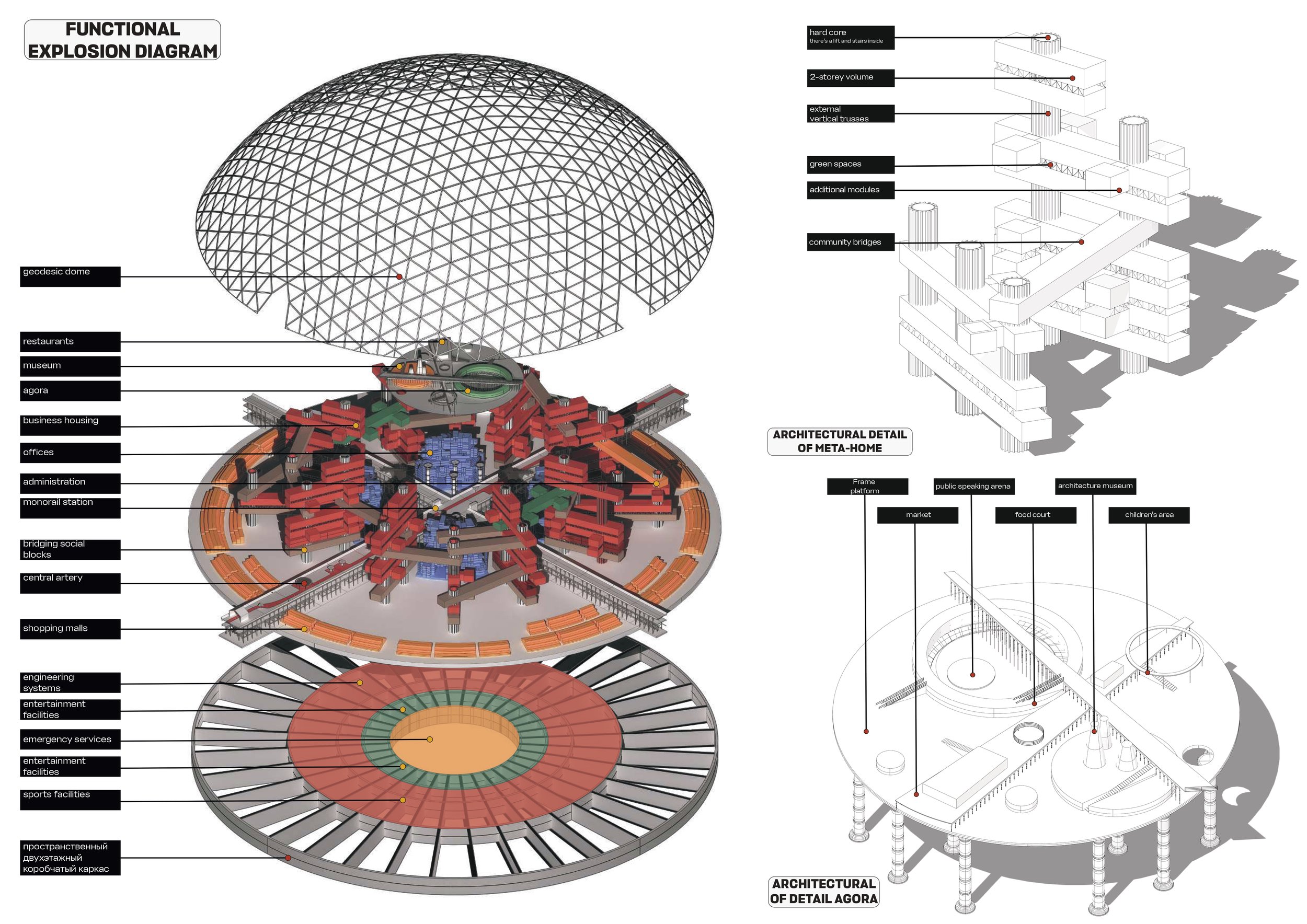
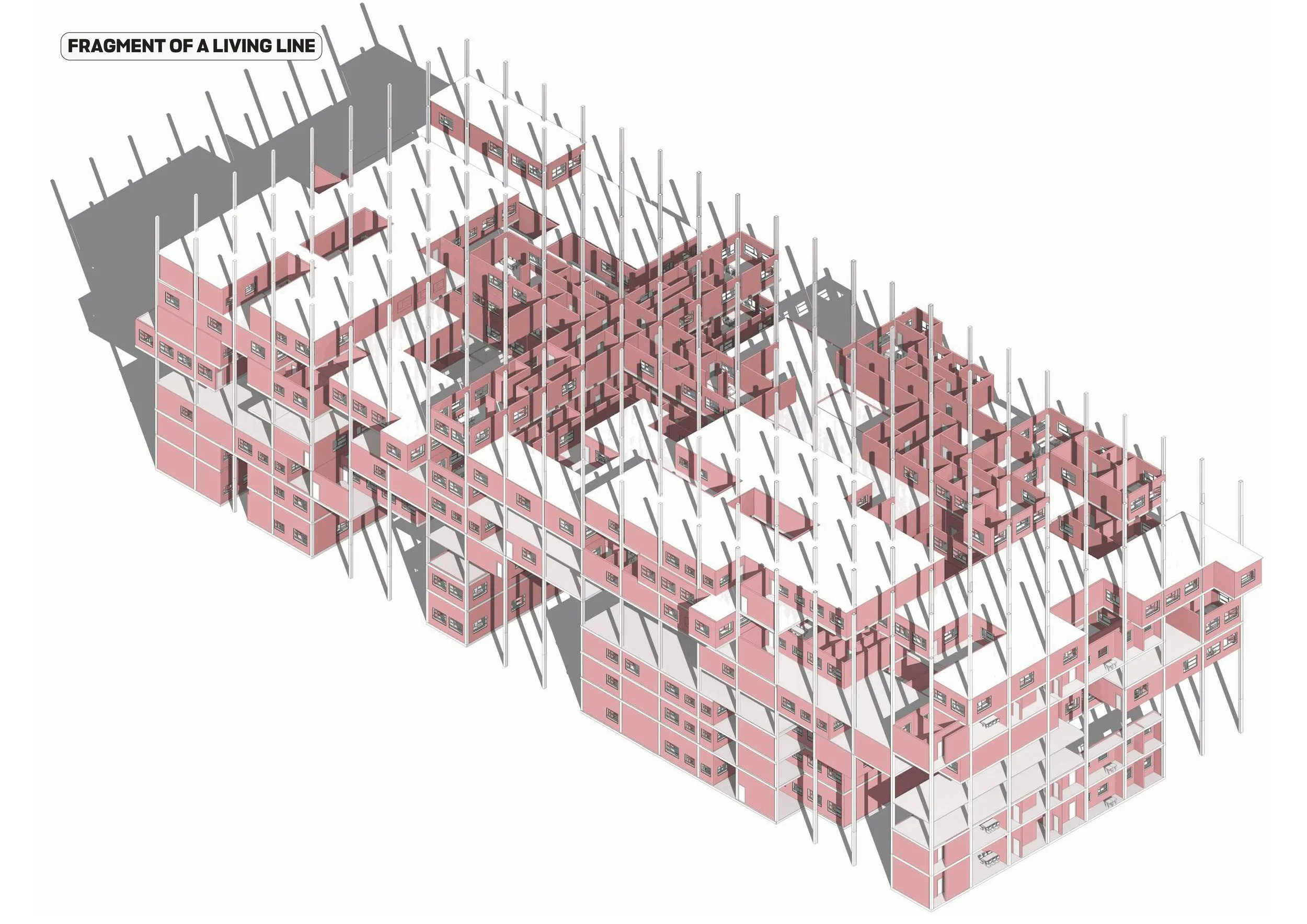
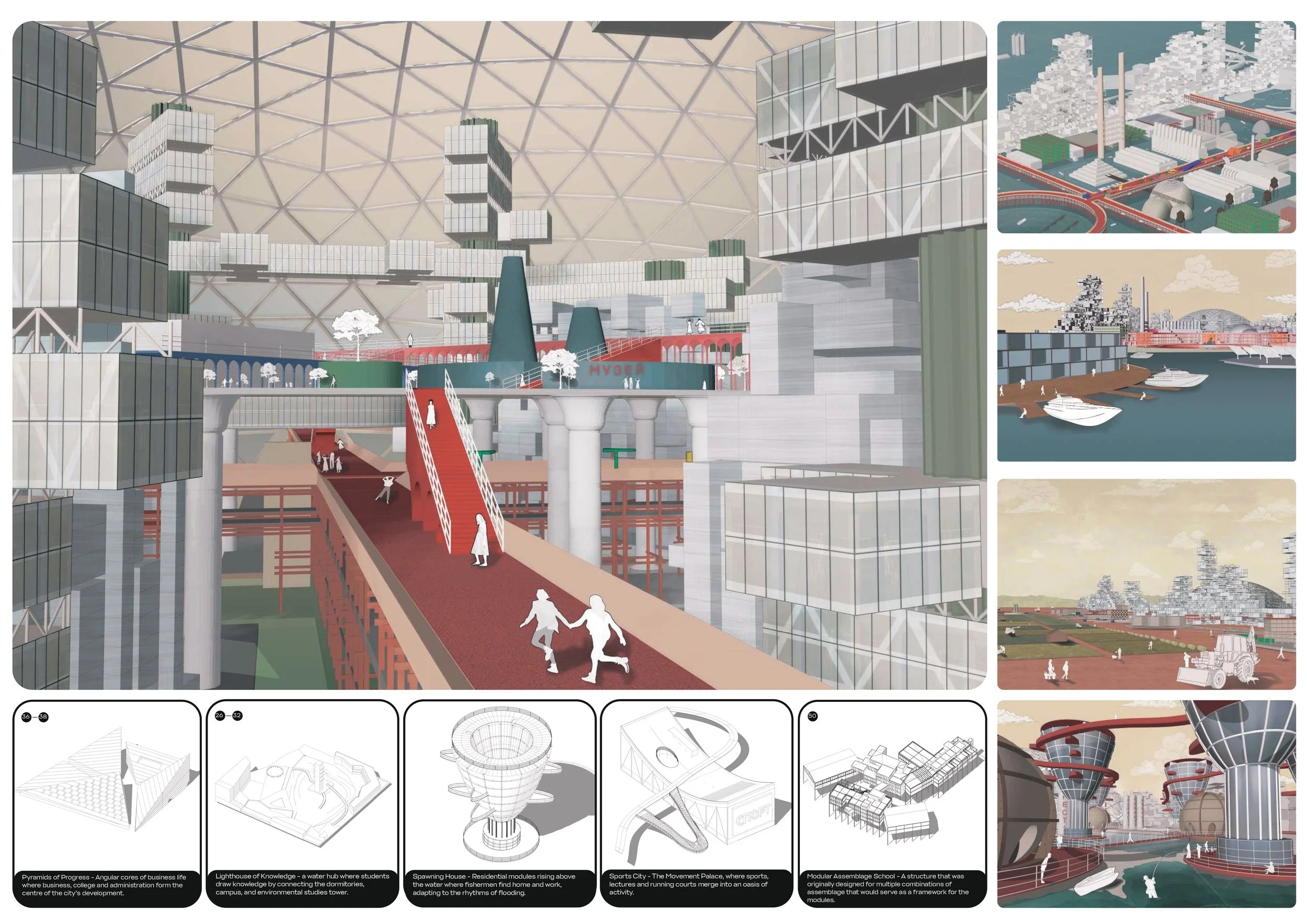
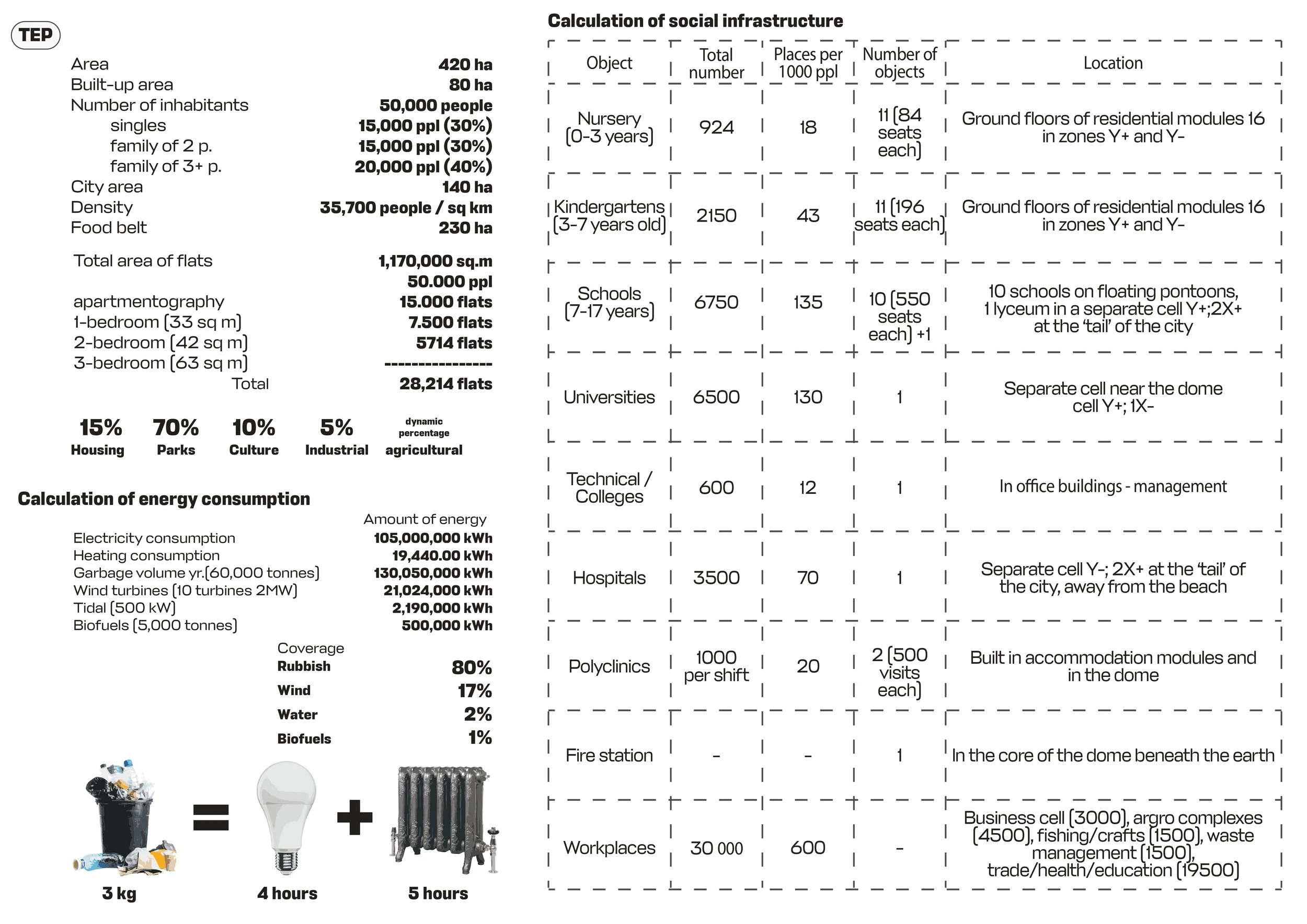
HYDROPOLIS is an adaptive linear hydrotectural city on the Zeya River’s right bank in Blagoveshchensk, Russia, designed for 50,000 residents, scalable to 100,000, addressing coastal flood risks in the Anthropocene. Inspired by Paul J. Crutzen and Eugene F. Stoermer’s Anthropocene framework, it employs Hydrotecture to integrate water as a generative element, creating resilient urban systems. Anthropoza, a philosophy of proactive planetary management, guides sustainable design. Modular 200×400 meter cells integrate housing, agriculture (flood-tolerant crops like soy), energy, and community functions. A car-free, three-level wooden magistral, elevated above flood levels (860 cm), and pontoon islands ensure resilience. Calculations confirm theoretical self-sufficiency, covering 100% of costs through closed-loop resource reuse (water, waste), solar and tidal energy, agroindustry, and a recycling plant, achieving zero emissions. A central domed forum with an agora fosters social cohesion and political engagement, aligning with Fumihiko Maki’s collective forms.
Historical influences, like the Japanese Metabolists’ floating cities (1960), and contemporary projects, such as BIG’s U-BIG (Dryline) (2023), inform its adaptive framework. Located on an 80-hectare site, HYDROPOLIS uses CLT structures, green roofs, and boat passages for accessibility. This innovative settlement offers a scalable model for flood-prone coastal zones, blending local identity with global sustainability, redefining urban resilience in response to climate challenges.